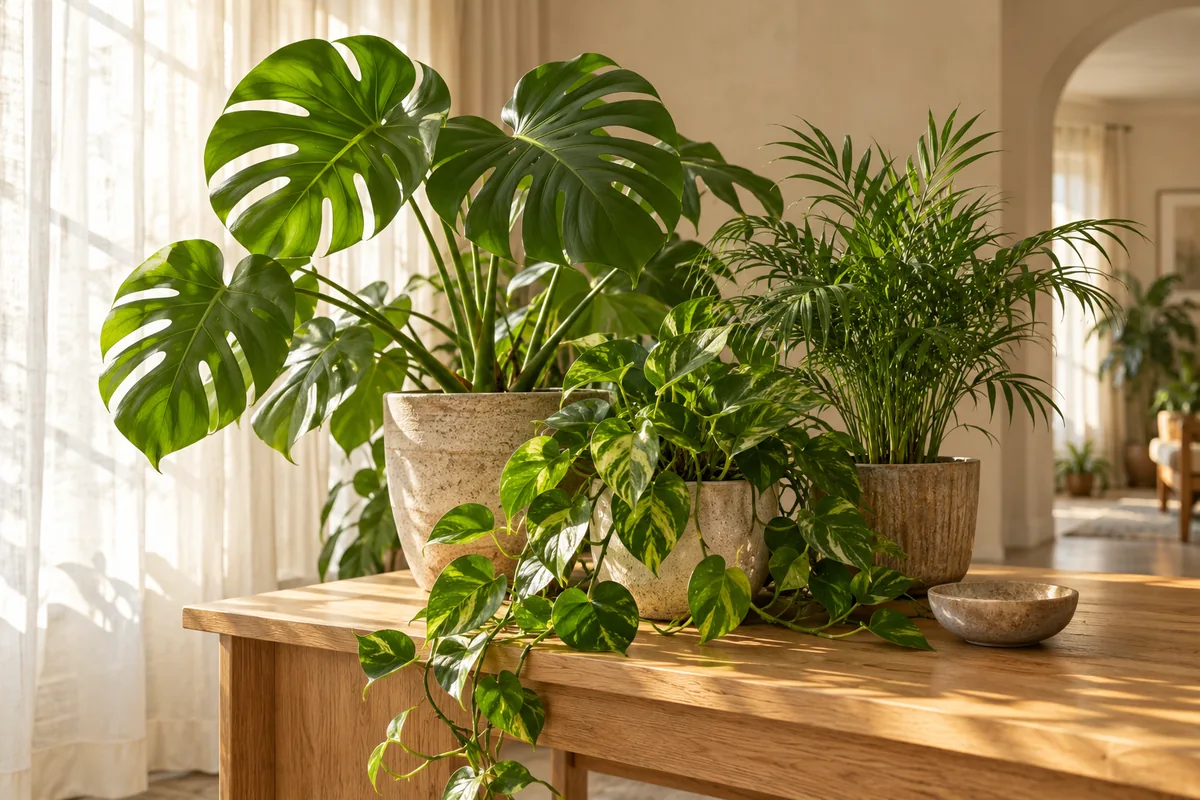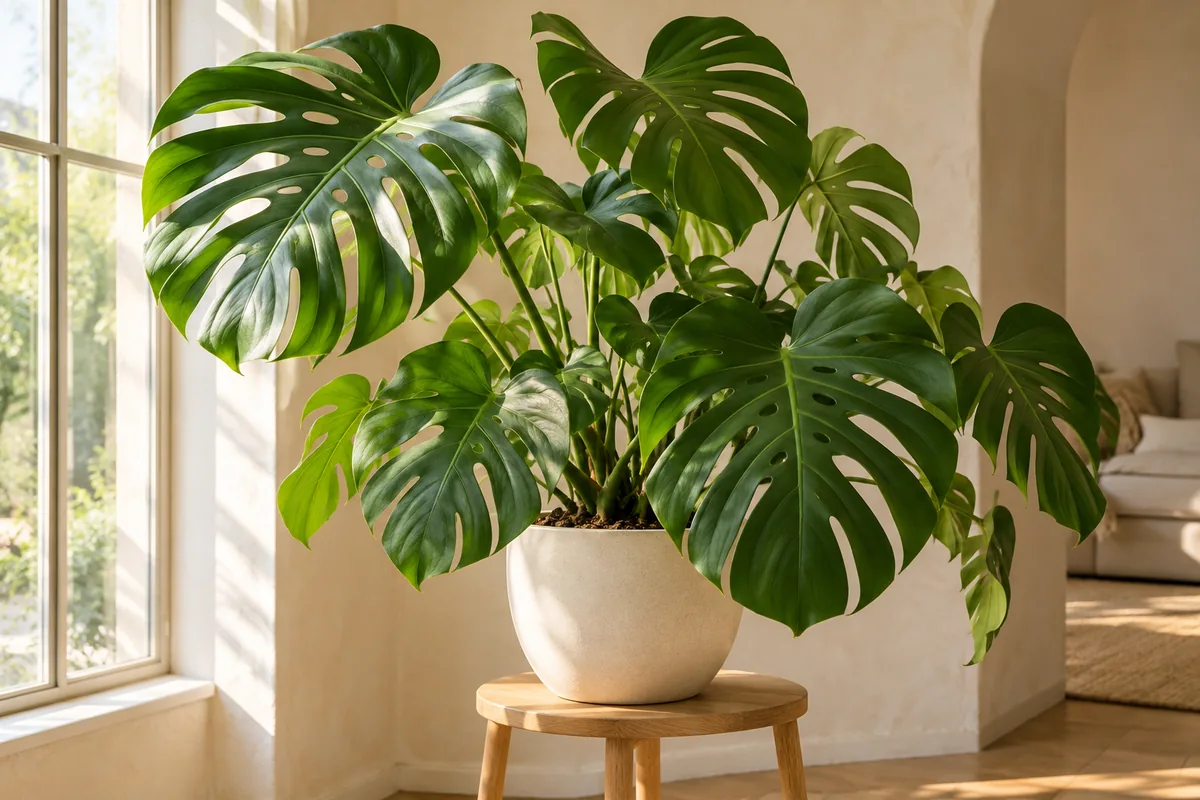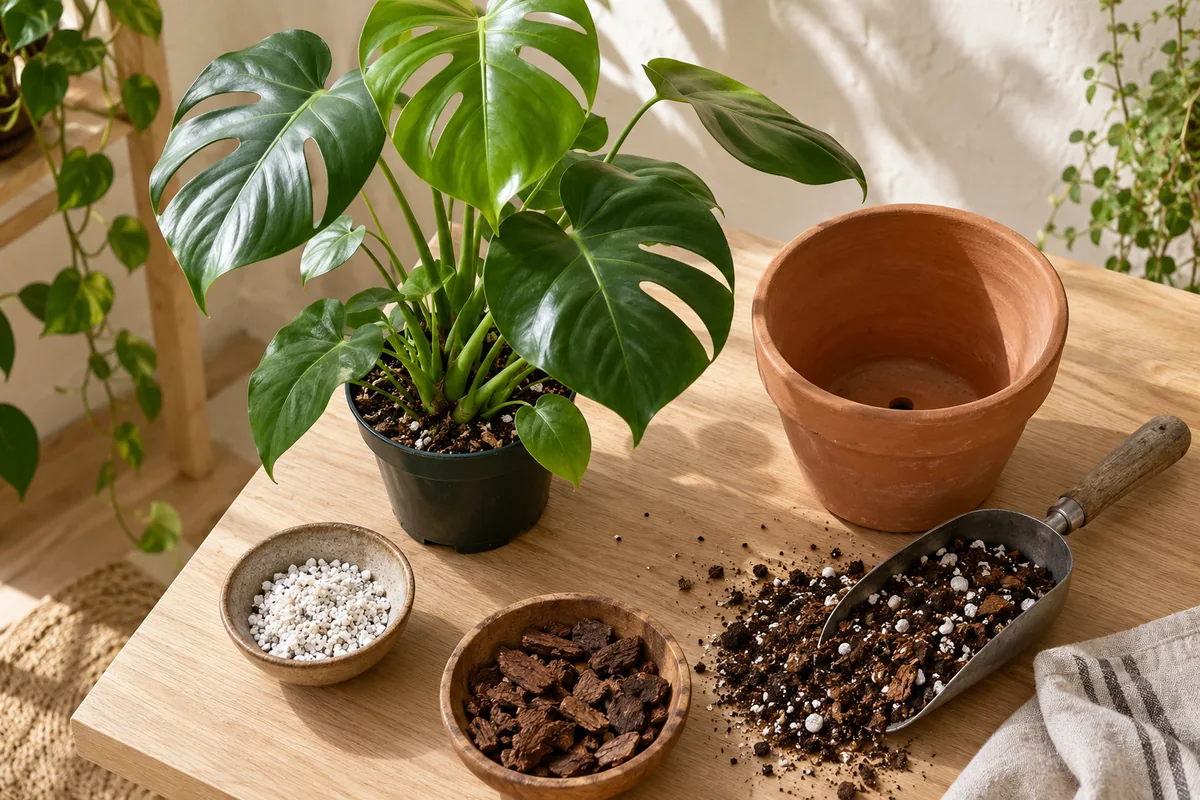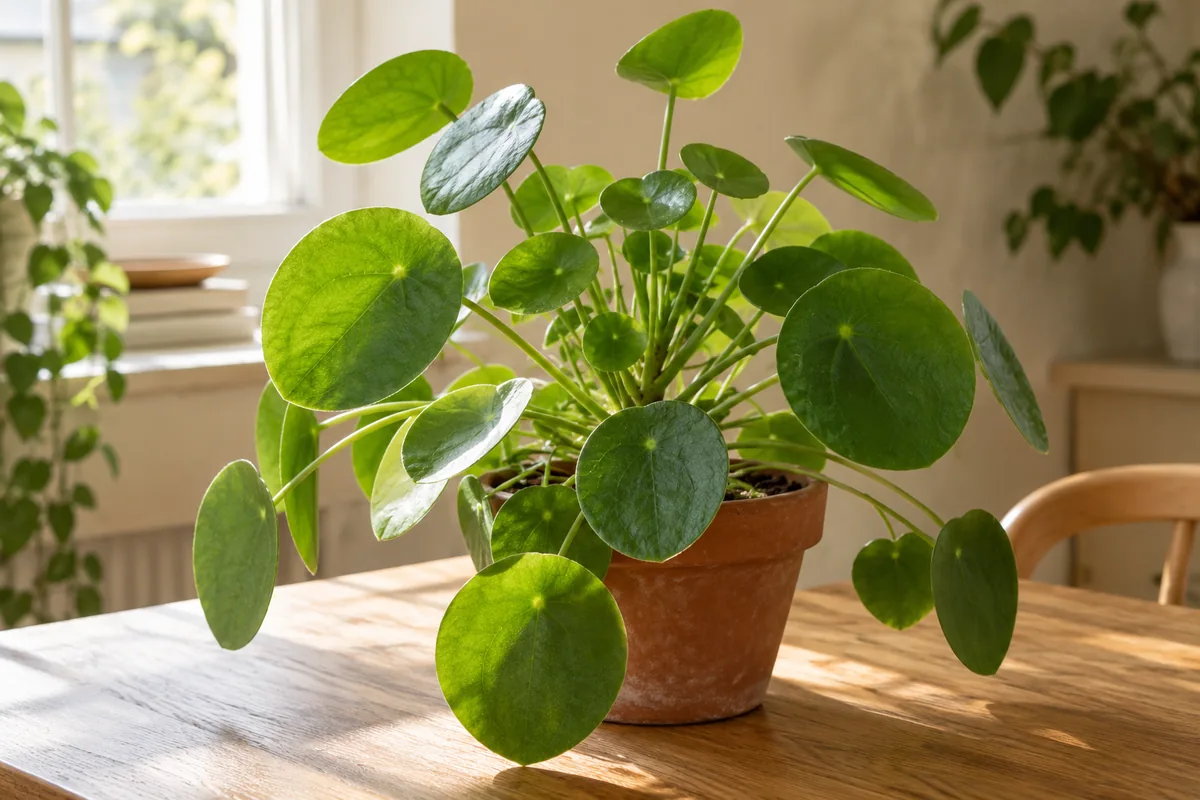
The feeding routine that suited a rapidly growing plant in summer may become unnecessary as autumn light fades. Begin by looking for actual new growth rather than turning a fertilizer date into an obligation. A plant under useful artificial light may continue growing, while another beside a dim window may pause. Those plants do not need identical treatment simply because they share a room. Nutrients support growth under suitable conditions; they do not replace daylight or persuade an inactive root system to use more water. Reviewing feeding in autumn is a chance to simplify care and make sure every application has a clear purpose for the plant receiving it.
Check your records and the potting mix label before deciding what to add. Fresh mix may contain a nutrient supply, and a slow release product applied earlier may still be active. Combining several products can make the total difficult to judge. Note the last application, the product used, and whether repotting occurred recently. If you have no record, avoid making a large corrective dose based on guesswork. Start by observing the plant and following the directions for the specific product you intend to use. Labels describe concentration and timing, and those details matter more than a general claim that every indoor plant needs feeding whenever it is watered.
Look for a pattern of active development. Fresh leaves expanding, shoots lengthening with sensible spacing, and roots using water steadily suggest a plant is still growing. One leaf that began weeks earlier is less useful evidence than continuing new growth. Some species have seasonal rhythms that differ from the common pattern of summer activity and winter slowing. Identify the plant rather than applying a rule designed for an unrelated species. A flowering seasonal plant may require care different from a foliage specimen resting in a cool corner. Keep the discussion tied to that plant's growth and the conditions you can provide, especially when the collection includes several very different groups.
Review light when growth becomes stretched or weak. More fertilizer cannot create the missing energy supplied by suitable light. Move the plant gradually to a better position if that is practical, checking temperature and exposure at the new site. A grow light may be useful in some rooms, provided it is installed and operated safely according to its instructions. Let the plant respond before deciding whether feeding should resume. Avoid treating every pale older leaf as a nutrient shortage. Moisture problems, root condition, natural leaf aging, and changed light can produce overlapping appearances. A fertilizer application without a reason can add complexity while leaving the original growing condition unchanged.
If the plant is clearly slowing and the product allows a seasonal pause, reduce or stop routine feeding rather than continuing the summer pattern automatically. Water when the plant needs it using the same careful moisture checks you would use without fertilizer. Do not add nutrients to a dry stressed root ball in the hope of a quick recovery. Follow product directions about application to moist material where required. A pot that stays wet for long periods deserves a review of watering, light, and root volume before any feeding decision. The root environment should be workable first. Autumn care becomes easier when the important conditions are addressed in that order.
Watch for surface residue or white crust around the pot rim, which can indicate accumulated dissolved material from water or feeding. The appearance does not identify the exact source on its own. Review the water you use, previous applications, drainage, and the condition of the mix. A suitable thorough watering with free drainage can help move excess soluble material through a workable root zone, but a persistently saturated or damaged root system needs separate attention. Do not keep flushing a pot that cannot drain properly. If repotting becomes necessary because the mix is degraded, choose the timing and method based on the plant's condition rather than using fertilizer to compensate for failing material.
Plants that continue growing under stable bright conditions may still need an appropriate feeding routine. Keep it modest and tied to the product directions and actual growth, recording each application. A plant's location can explain why its needs differ from another specimen of the same species elsewhere in the home. Pot size and the nutrient content of the mix add further differences. Avoid equal dosing across the whole collection merely because one watering can is convenient. Plain water is often the right choice for plants that are not actively using additional nutrients. Separating observation from application helps you maintain a clear routine without making feeding the main measure of attentive care.
Resume or adjust feeding later when growth and light justify it, not on a fixed spring date regardless of conditions. Keep notes on when activity slowed and when new leaves began again. That seasonal record is especially useful for plants that live in the same positions year after year. It allows you to recognize their ordinary rhythm without reacting to every pause as a problem. Autumn feeding decisions should leave you with a simpler picture of what is already in the pot and what the plant can use. A well timed pause can be as deliberate as an application, provided it follows the plant's needs and the instructions for the products involved.