The first new leaf after a quiet period can be easy to overlook until it begins to unfold. A small pointed bud or a rolled edge may be the only visible sign that the plant's pace is changing. Start by observing it without handling the tender tissue. New growth often has a different color and texture from mature leaves, and that appearance can be normal. The useful question is whether it develops steadily under suitable conditions. A seasonal pause does not end at the same time for every indoor plant. Species, light, warmth, and the previous growing environment all influence when the next visible stage begins and how quickly it expands.
Identify the type of growth you are seeing. A fern frond unfurls differently from a rubber plant leaf, and a new vine shoot differs from a leaf stalk emerging at an existing node. Some plants produce protective sheaths that dry as the leaf develops. Do not pull them away simply because they look untidy. Check a reliable species reference when the structure is unfamiliar. Compare the growing point with earlier photographs if available. A firm bud that changes gradually is different from one that darkens and collapses. Learning the plant's normal sequence helps you avoid damaging new tissue while trying to assist a process that was already progressing on its own.
Review the light reaching the growing point. A plant may begin activity as days lengthen while still sitting behind a neighboring canopy or a heavy curtain. Give it useful exposure appropriate to the species, increasing brightness gradually when needed. Tender new leaves can be marked by an abrupt move into intense sun. Avoid judging the position only from the pot's distance to a window; the growing tip may sit much higher, lower, or farther behind other foliage. A small rearrangement can open light without moving the plant to a completely different room. Keep the revised arrangement stable long enough to see how the new leaf expands and the next growth begins.
Check moisture more attentively as activity increases, keeping the watering decision tied to the root zone. One new leaf does not justify a sudden return to the most frequent summer routine. Feel below the surface and compare pot weight where manageable. A small pot under improving light may begin drying sooner, while a broad planter can remain damp much longer. Water thoroughly when the plant reaches its appropriate drying point and allow excess water to leave. Empty decorative covers and saucers. The new growth and the roots are connected, yet their demands change gradually. Observing that change is more useful than assuming a single leaf signals an immediate large increase in water use.
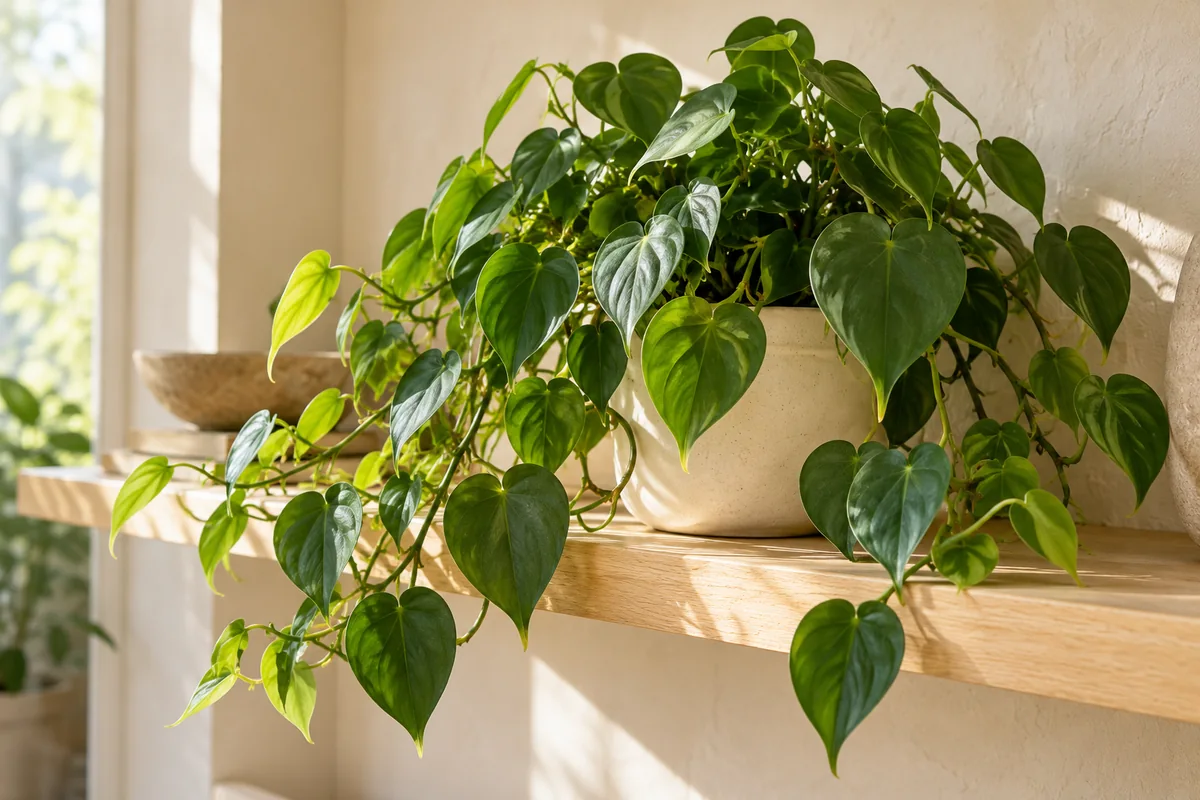
Allow new leaves to expand without peeling, flattening, or repeatedly touching them. Tissue that looks soft or lightly colored often firms and deepens in color as it matures. Keep it clear of walls, curtains, and other leaves that could rub or trap it. A climbing plant may need a support adjustment so the growing tip has room. Tie the main stem gently where appropriate and avoid constricting the new leaf stalk. If a leaf seems stuck, examine the room conditions and species habit before attempting any physical intervention. Pulling on fragile tissue can create a permanent tear, while patience and a suitable environment often allow the normal sequence to continue.
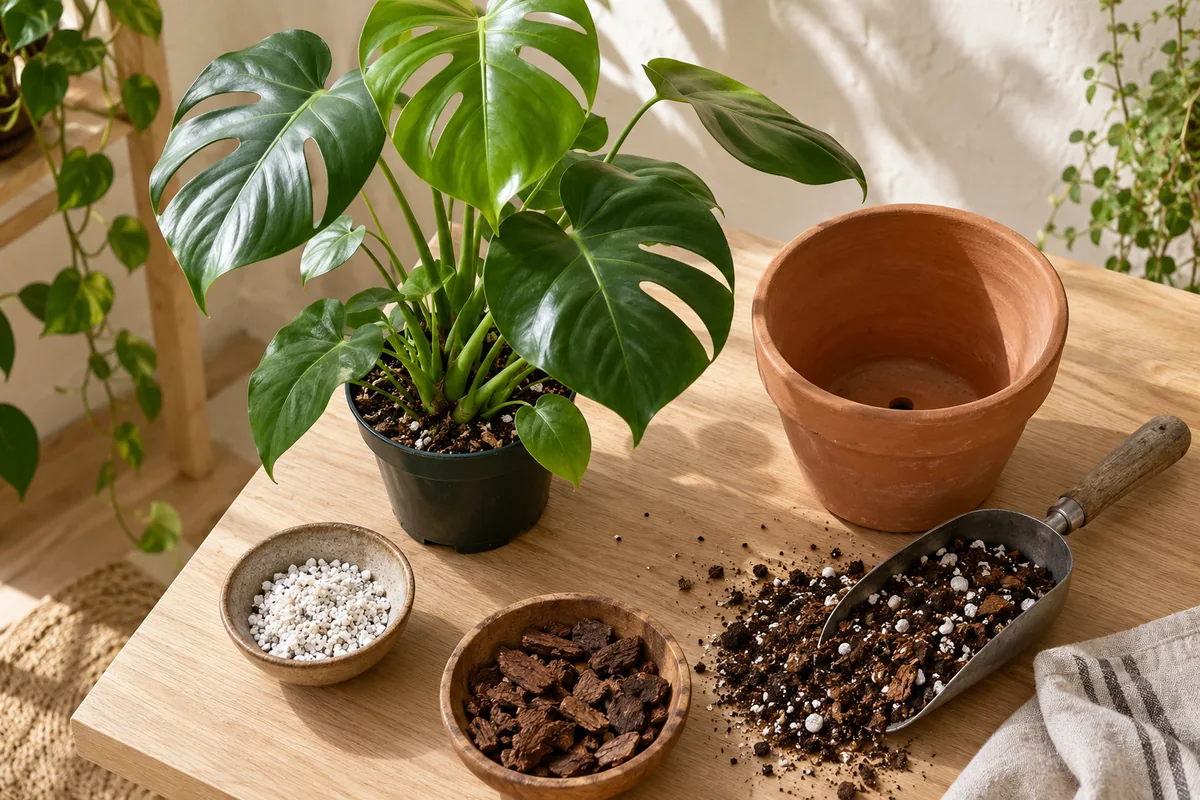
Feeding can be reconsidered when growth is clearly active and the root environment is functioning normally. Check the nutrient supply already present in the mix and follow the product directions. A large dose intended to celebrate or accelerate the first leaf is unnecessary. Nutrients cannot substitute for light, and feeding a plant with persistently wet roots can complicate care. Likewise, repotting should have a separate reason such as meaningful root crowding or degraded mix. The appearance of new growth alone does not prove the current pot is too small. Let the plant continue if the container is workable, preserving a stable environment while its new activity becomes established.
Evaluate the pattern across more than one leaf where possible. A first leaf after a difficult period may be smaller or carry an old mark from an earlier disturbance. That does not necessarily describe the quality of the new position. Compare later leaves for normal shape, color, and sensible spacing. If several remain unusually small or stems stretch, review light and roots before assuming the plant needs more fertilizer. A pause followed by growth is encouraging, but it does not erase every previous condition. Keep notes on the changes you made so you can connect the developing pattern to actual care rather than attributing every improvement to the last action taken.
Photograph the growing point at a few stages and record the dates of emergence and full expansion. Include the position and any adjustment to light or watering. Those details become a useful reference when the plant pauses again in another season. They also reveal the steady progress that daily inspection can make seem slow. The goal is a sequence of supported growth, with each leaf developing in conditions the roots can sustain. Let the plant set that pace. By watching carefully and making measured changes, you can welcome renewed activity without turning it into a reason for unnecessary handling, oversized pots, or a sudden routine the plant has not yet begun to need.