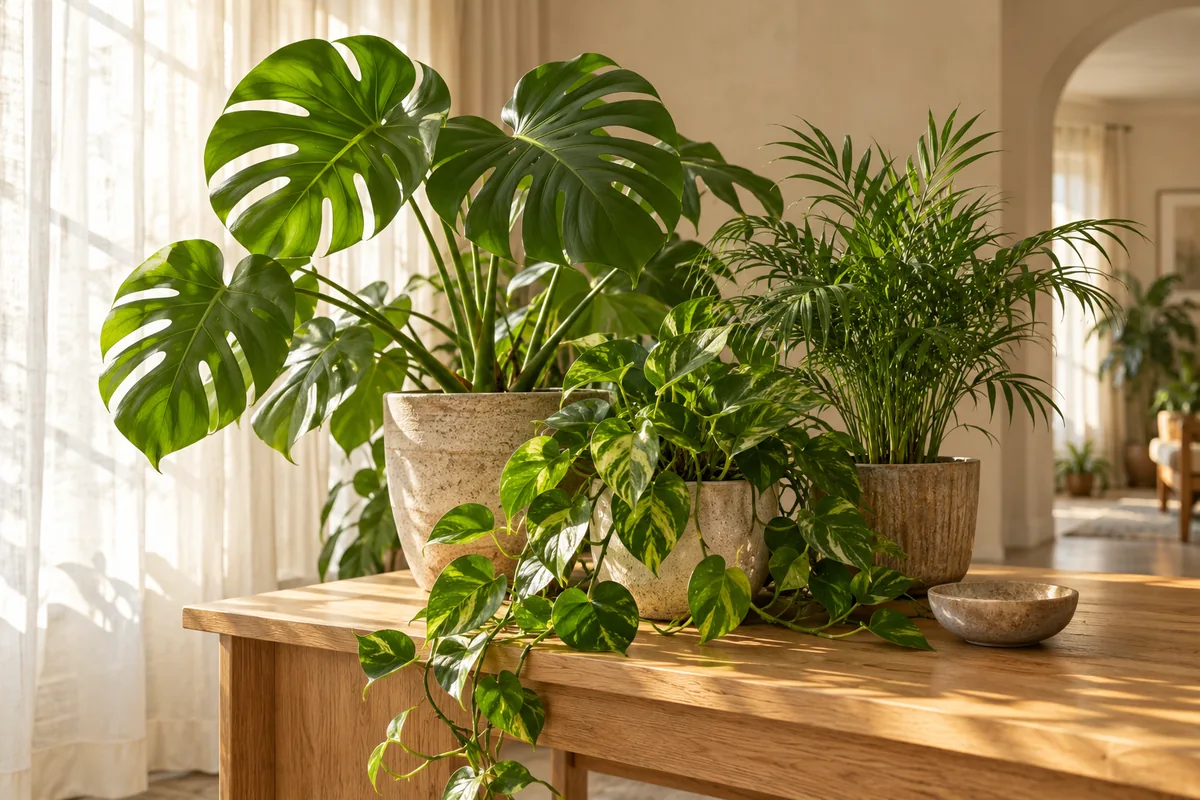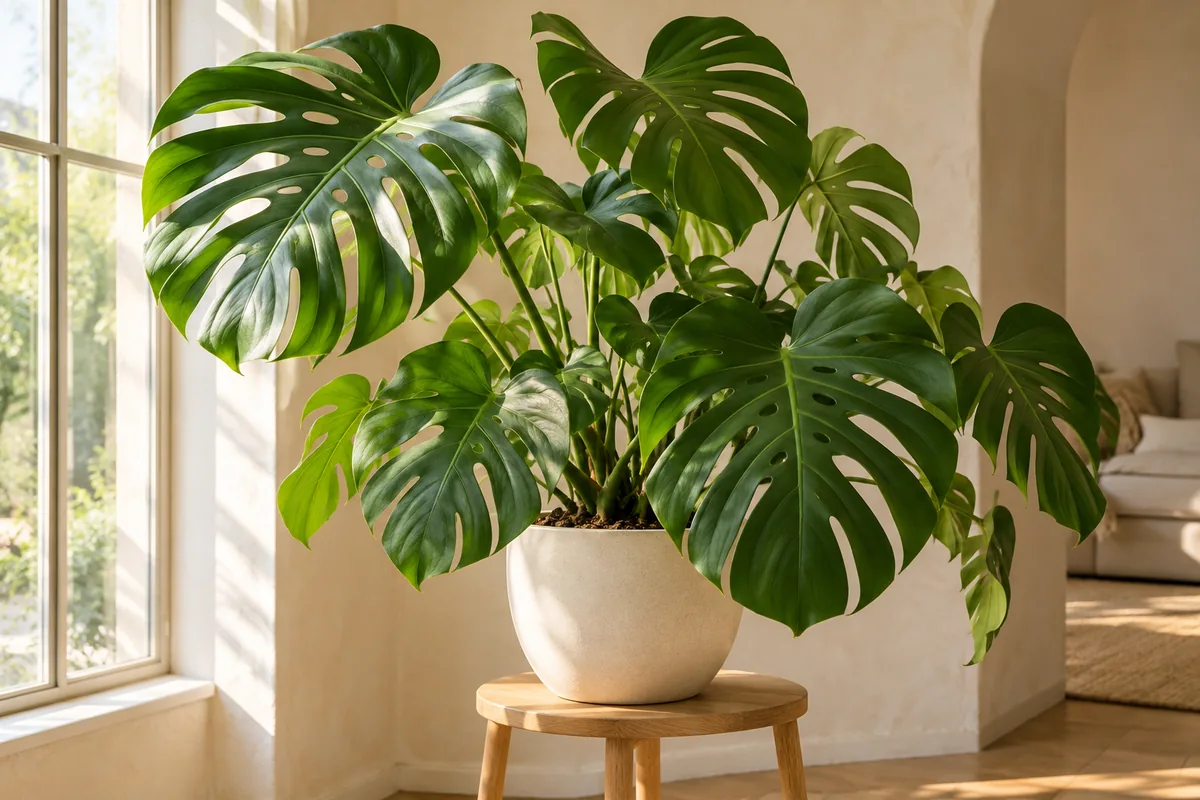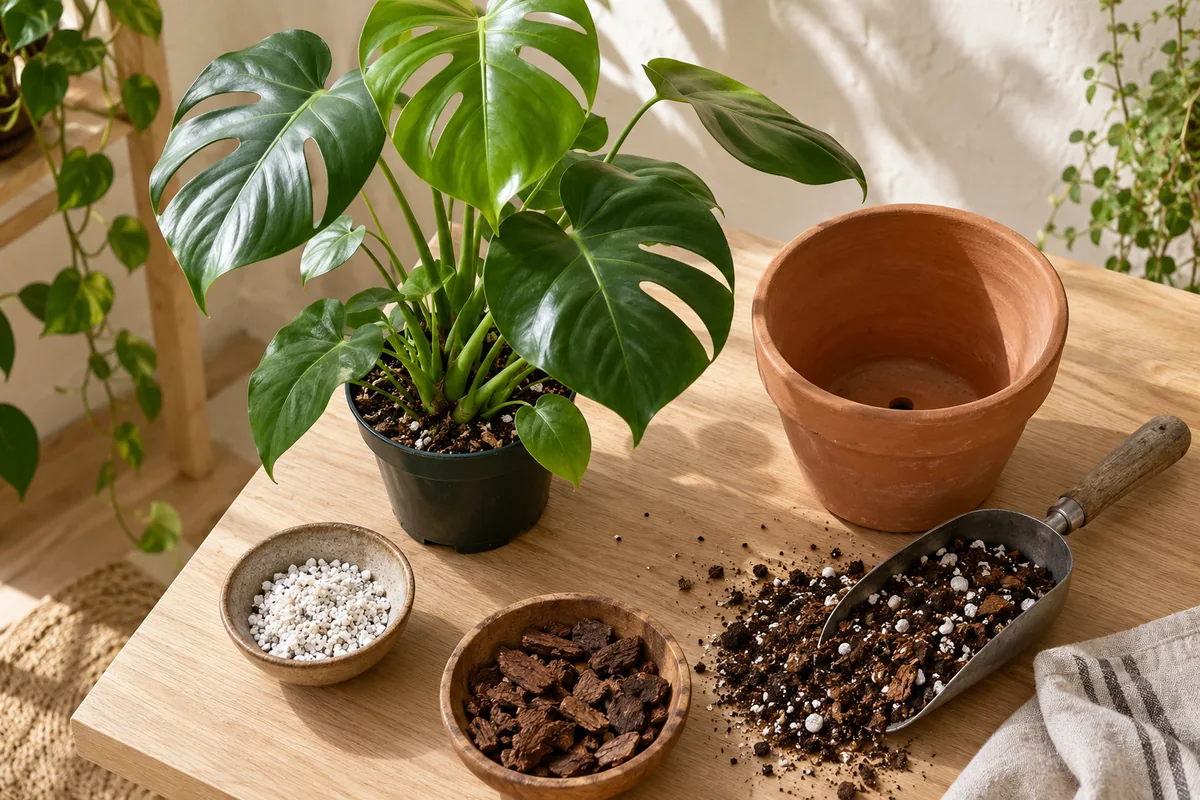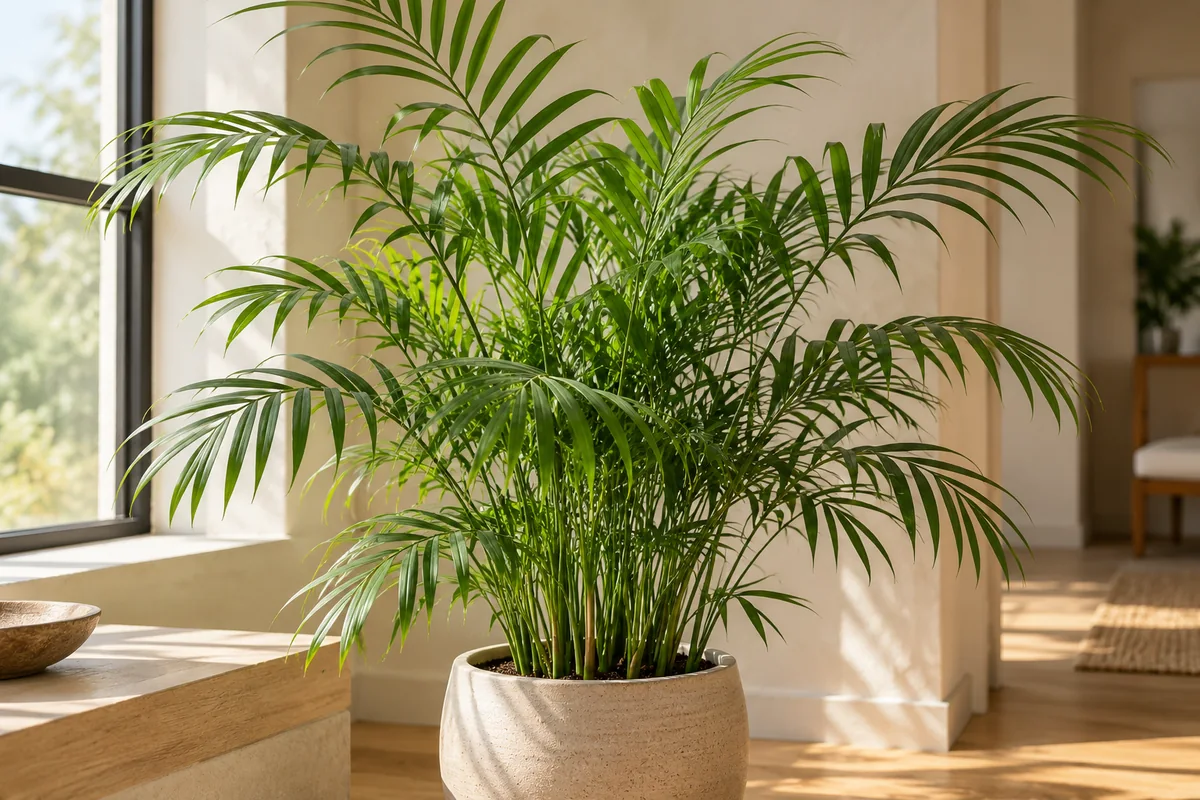
A patio can look calm from indoors while wind moves steadily around its corners and between buildings. Plants placed there may dry faster, sway in their pots, or develop torn leaves even without a dramatic storm. Begin by watching the actual movement of air through the space. Curtains at a doorway, flexible leaves, and the pattern of debris after a breezy day can reveal exposed areas. A sheltered position is especially important for indoor plants spending summer outside. Their leaves and stems developed in relatively still conditions and may not tolerate the same exposure as plants grown outdoors from the start. Match the location to the plant before trying to correct damage afterward.
Look for existing shelter from walls, railings, and larger stable objects, while remembering that a solid barrier can create turbulence around its edges. A position immediately behind a wall is not automatically calm. Observe it during ordinary breezy conditions before filling it with delicate foliage. Where a suitable screen is permitted, a securely installed slatted or mesh structure can filter wind rather than stopping it abruptly. Follow building rules and manufacturer guidance for installation. Do not improvise a tall unsecured panel beside pots. The shelter itself must remain reliable in the conditions it is meant to moderate, with clear access and no obstruction to doors or required routes.
Choose stable containers and supports. A tall plant in a narrow light pot can catch wind like a sail, especially after its canopy expands during summer. A broader stable base may help, provided the root zone remains appropriately sized and drains freely. Do not solve tipping by surrounding a small root ball with an enormous volume of wet mix. A suitable stable outer container can support an inner pot if water can escape and the arrangement is checked. Keep pots away from exposed edges where a fall could cause damage. Consider the weight limits of balconies or raised decks and use only arrangements appropriate to the structure and its rules.
Review water use after moving a plant into a breezier position. Wind can increase moisture loss, and terracotta or small nursery containers may dry particularly quickly. Check the mix below the surface and compare pot weight where practical. Water thoroughly when needed, letting the root ball absorb evenly and the excess drain. A windy day does not prove that every pot is dry, especially after rain. Large dense containers can remain wet in the center while the top looks dry. The useful response is more attentive checking during the transition, not automatic extra watering. If a pot dries repeatedly beyond what you can reasonably manage, choose a more sheltered position.
Protect the foliage from rubbing as well as direct bending. Leaves pressed against a rough wall, railing, or neighboring pot can develop marks when wind moves them repeatedly. Give broad leaves enough space and support climbing stems without tying leaf stalks tightly. Do not bind the entire canopy into a rigid bundle. A support should steady the plant while allowing ordinary movement and future growth. Fine fern fronds and soft new leaves may need a particularly sheltered area or an indoor position. Plants with tougher leaves can still be damaged by a sudden increase in exposure. Observe each species rather than assuming all green foliage tolerates the same patio conditions.
Inspect after gusty weather. Check whether pots have shifted, supports loosened, drainage trays overturned, or leaves become trapped. Remove broken material with clean tools where needed, preserving sound foliage. A torn leaf will not knit back into an unmarked surface, but it can remain useful if much of it is still green and the stalk is sound. Avoid heavy feeding as a general response to wind damage. First restore a stable position and appropriate moisture. If the plant repeatedly suffers in the same place, the location may be unsuitable regardless of how often you trim it. A successful patio arrangement should not depend on constant repair after ordinary weather.
Plan for stronger weather before it arrives. Keep manageable pots in positions where they can be moved safely to shelter, and avoid last minute lifting of heavy containers during dangerous conditions. A severe forecast may justify bringing summer houseplants indoors temporarily, with attention to light and space. Secure furniture or other nearby items that could strike the plants. Do not leave small pots balanced on improvised risers. If you cannot provide reliable shelter on an exposed balcony, choose plants suited to that environment rather than treating a fragile indoor specimen as a test of endurance. Species selection and stable placement are part of ordinary care, not separate decorative decisions.
Keep notes on the patio's most exposed periods and the positions that remain manageable. Wind direction can change with the season, so a useful summer corner may behave differently later. Record which pots needed more frequent moisture checks and which plants showed damage despite shelter. That information helps refine next year's outdoor arrangement. The aim is gentle air movement and a stable root environment, with leaves free from repeated rubbing or severe bending. A plant does not need complete stillness to grow well, but it should not be asked to cope with exposure that its structure and care routine cannot support. Thoughtful shelter makes both watering and inspection easier to maintain.