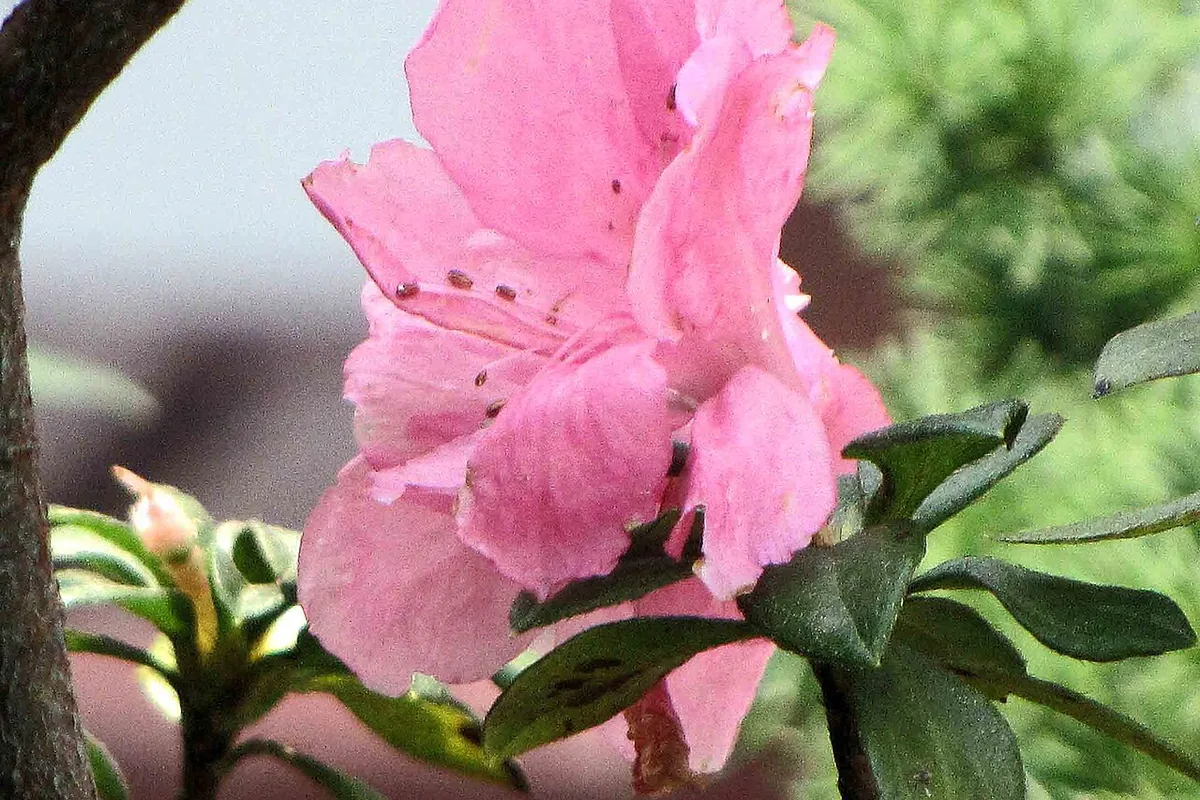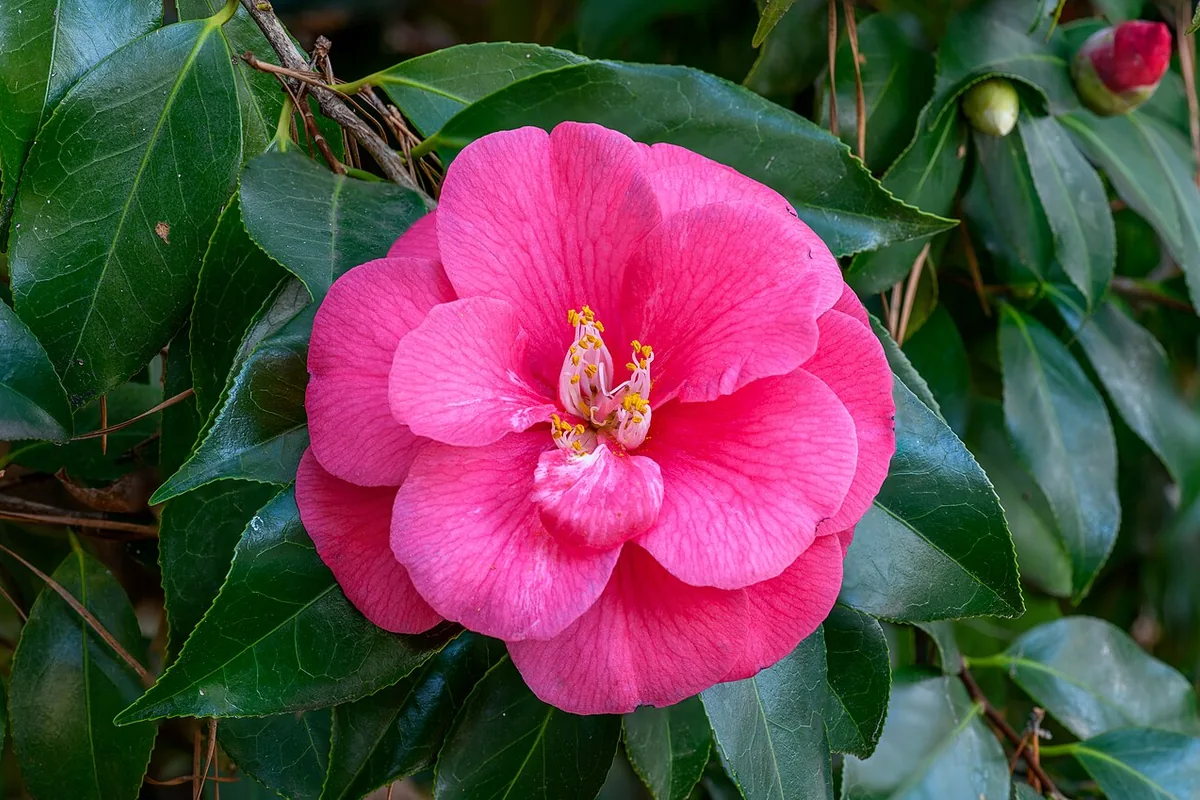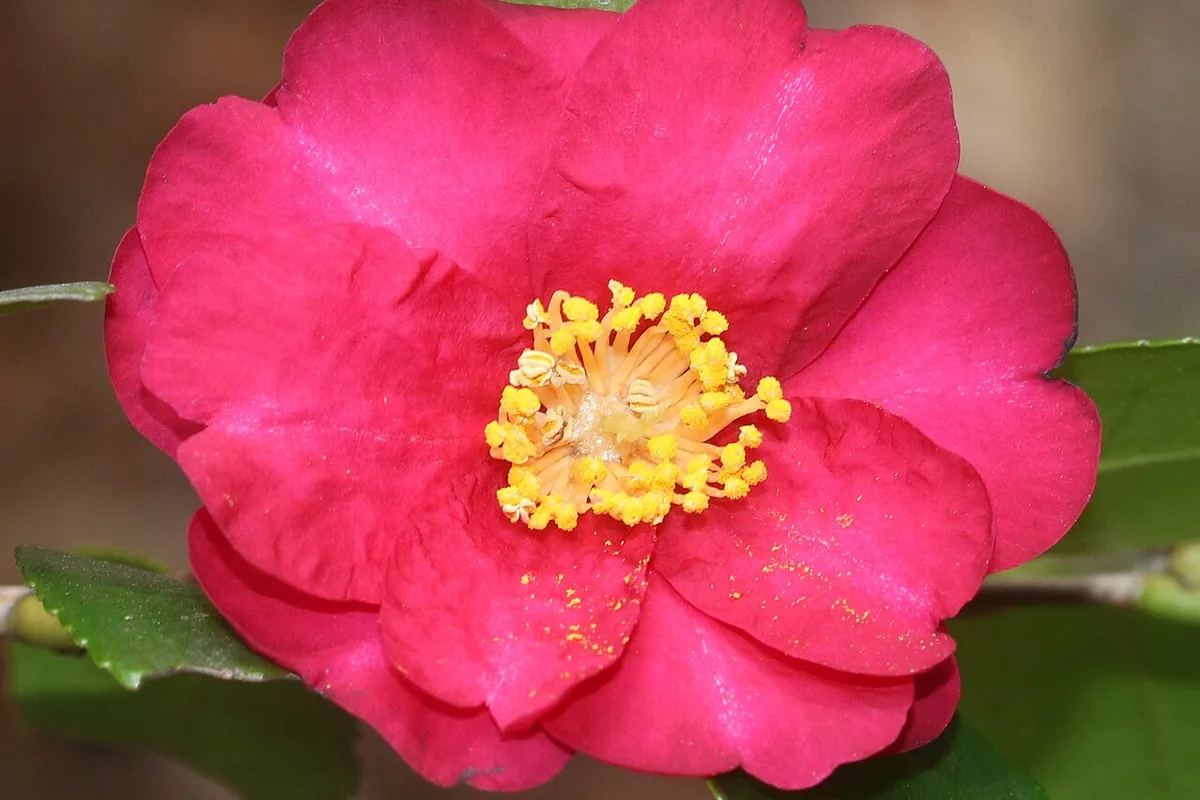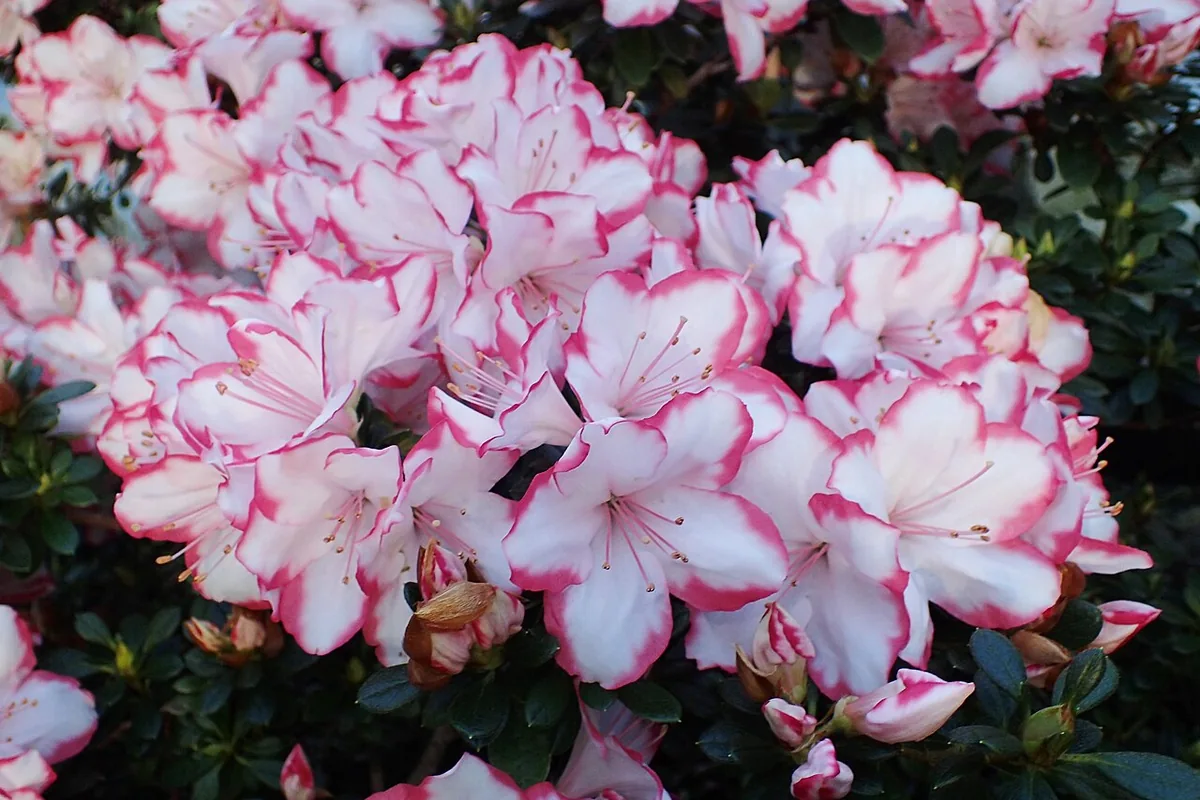
Indian Azalea brings small evergreen leaves and a dense spring display of funnel shaped azalea flowers to a container collection. The botanical name is Rhododendron simsii, and keeping that name attached to the pot helps distinguish this plant from other flowers sold under a similar common label. Plan for the living structure as well as the flowers, with space to see its natural outline and reach the roots for watering. A container does not turn a seasonal outdoor shrub into a permanently warm houseplant. Match the chosen selection to the room, balcony or sheltered garden where its full annual cycle can take place. Consider both flower size and the eventual branch framework when buying a young specimen. Keep the nursery label, because cultivated forms can differ in mature size, flower timing and the wood on which their next buds develop.
Choose cool bright filtered light protected from hot midday sun for indian azalea. This preference is the starting point for the growing position, rather than a promise that every bright looking part of the home will behave alike. A bright position should also suit the leaves and the root container through the warmest part of the day. Check reflected heat from paving and walls instead of considering compass direction alone. A pot can overheat while the upper branches remain in apparently comfortable air. Move a newly purchased plant toward stronger exposure gradually. Leave enough open space that the lower shoots receive light and the container can be watered without repeatedly soaking the flowers.
For Rhododendron simsii, the practical watering principle is to keep the fine fibrous root ball evenly moist without standing water. The important distinction is the condition of the occupied root ball, not whether the pot happens to stand indoors or outside on a particular day. A developing flower display and a full leaf canopy can draw water quickly from a confined root ball. Check inside the occupied root zone rather than judging only the top dressing. Water thoroughly when needed and empty collected runoff. Do not interpret every midday droop as evidence of dry soil, especially during hot weather. Conversely, a cool dormant pot may remain moist much longer than it did while carrying its summer leaves.
Use an acidic ericaceous mix and a container proportionate to the shallow root system when potting indian azalea. The stem and root arrangement deserves as much attention as the decorative colour of the container. Choose a container with enough volume to buffer moisture changes and enough weight to remain stable beneath the branching crown. Keep drainage holes open and use a mix appropriate to the species rather than ordinary compact garden soil. Retain the old root collar level when moving up a size. A much larger pot can hide a small wet root ball inside unused material, so make any increase proportionate and inspect roots before deciding.
The flowering behaviour of indian azalea is worth watching closely: florist plants may have a forced schedule that differs from outdoor spring flowering. Expectations should be based on this plant and the selected cultivated form, rather than a photograph of an unrelated species carrying its peak display. Learn whether the flower buds are carried on older stems or on the coming season of shoots before picking up the pruning tool. Bud formation can begin well before the visible flower display. Keep moisture and light dependable during that preparation period. Feed only to support actual growth, following a suitable product's dilution and accounting for nutrients in fresh mix. A seasonal gap in flowers may be entirely appropriate to the cultivar and the local climate.
For routine shaping, remove spent flower clusters gently and shape directly after the display. That timing and method belong to the way Rhododendron simsii builds its flower bearing growth. Begin with dead, damaged or crossing growth and identify live buds before shortening the framework. Avoid giving every branch the same arbitrary haircut. The purpose is to leave a balanced plant with enough suitable wood for the next flower season. If the precise cultivar is unknown, a conservative approach after observing a complete year is safer than an immediate severe reduction. Large structural changes are easier to assess when made separately from repotting and relocation.
When the season changes, use a cool bright sheltered place and check the hardiness of the exact selection. The seasonal routine for indian azalea therefore needs a review of its actual growth, rather than an automatic continuation of the busiest summer watering pattern. Roots surrounded by pot walls experience colder and faster temperature changes than roots in the ground. Place the container where cold wind and water accumulation are limited, and use appropriate insulation where necessary. Check a resting plant occasionally for moisture instead of forgetting it until spring. Buds may already be present on apparently quiet stems. Avoid repeatedly moving a dormant outdoor plant between a warm room and freezing air simply to enjoy an early display.
To raise another indian azalea plant, propagate with suitable shoot cuttings under controlled conditions. The best route depends on the material that this species can provide and whether preserving a selected cultivated form matters. Take propagation material from correctly identified growth and avoid stripping a newly purchased plant. Use clean equipment, a draining medium and labels that survive repeated watering. A protected environment can reduce moisture loss while roots form, but stagnant saturated conditions remain unhelpful. Gradually increase ventilation as the young plant establishes. Seed raised material can differ from the selected parent, which matters when a compact container habit or a particular flower form is the main attraction.
One particularly useful point when keeping Rhododendron simsii is that a dry dense nursery root ball may repel water while the surrounding mix seems wet. Start the next inspection with that detail in mind and compare the affected area with the rest of the plant. Look at the pattern of change rather than an isolated discoloured leaf. Damage on the windward side, yellowing between veins and general wilting lead to different questions. Feel the root zone, review recent weather and check the exact cultivar before applying extra food. Examine sheltered stems for pests when the plant enters protected winter accommodation. A short record of flowering and pruning dates becomes especially valuable once the plant has completed its first full year in the pot.