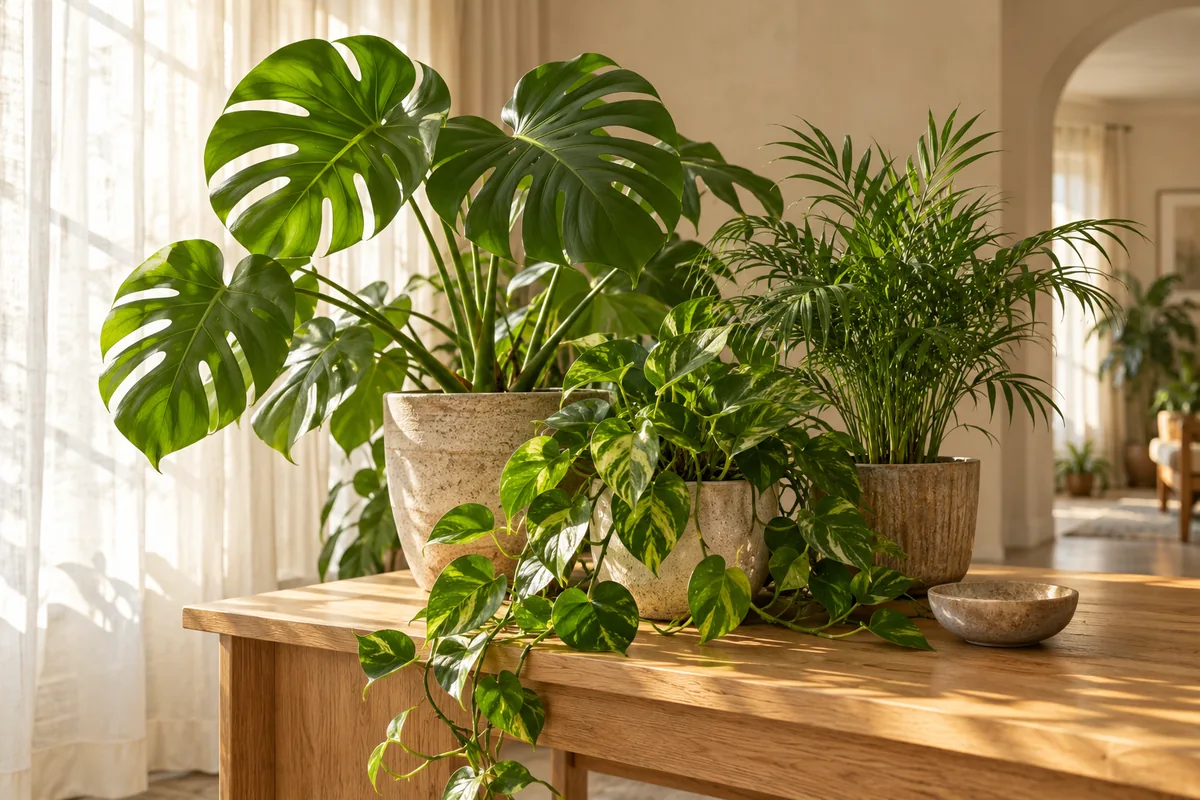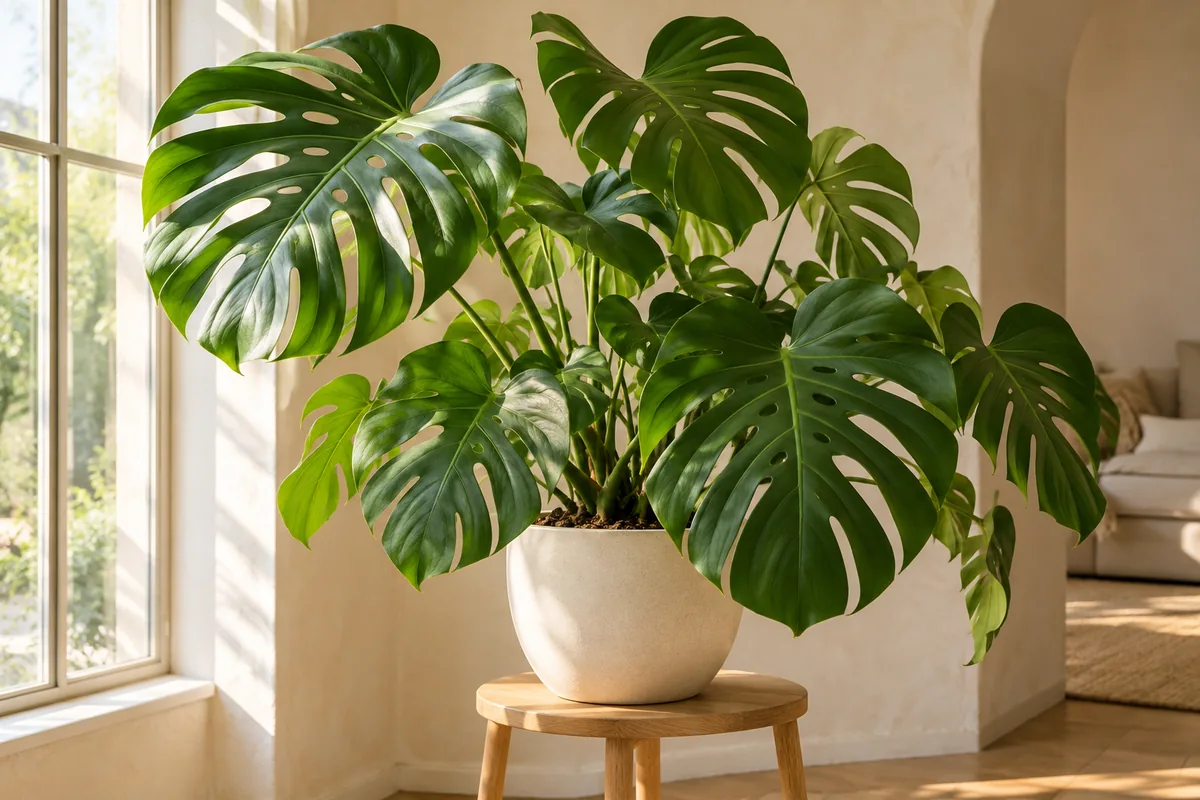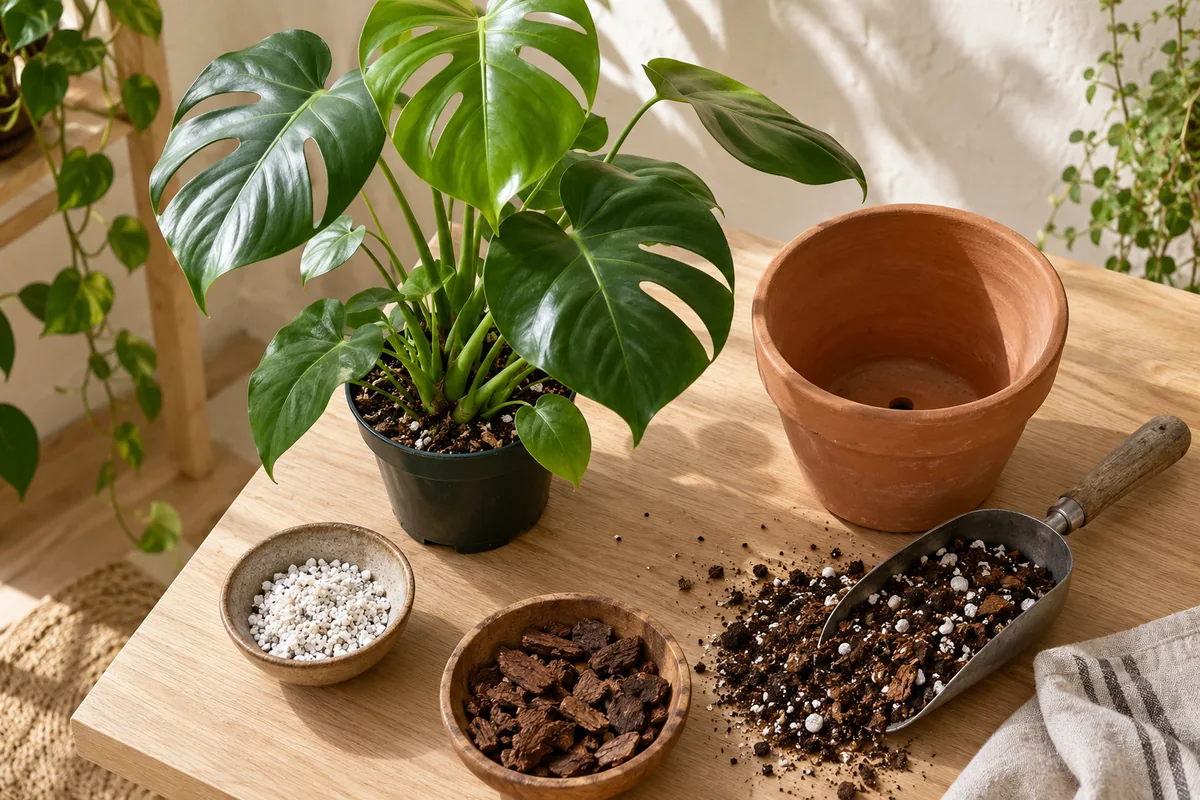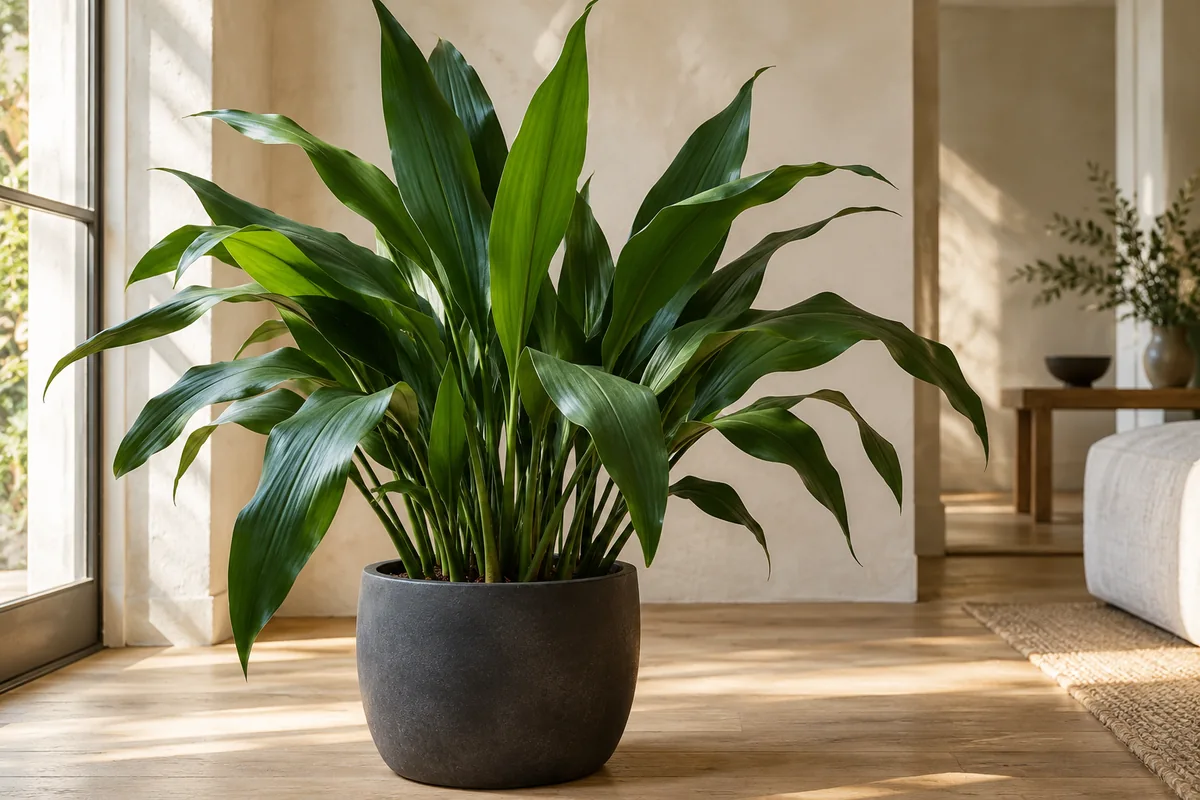
A plant that stops producing a visible leaf every few weeks can still be growing normally for its winter conditions. Shorter days and lower light often slow activity, especially in rooms relying mainly on windows. Start by looking at the whole plant rather than treating speed as the only sign of progress. Firm stems, stable foliage, and a workable moisture pattern are useful observations. A seasonal pause is different from continuing collapse or a soft base. The aim is to support the plant at its current pace and identify any clear growing problem, without adding water, fertilizer, or repeated root disturbance merely because the calendar has moved on without a new leaf.
Check the plant's identity and ordinary growth habit. A cast iron plant and a fast growing trailing vine have different rhythms even under good conditions. Some species have distinct rest periods, and others continue steadily when useful artificial light and warmth remain available. Avoid labeling every winter pause as complete dormancy. The room may simply offer less light than it did in summer. Compare the present plant with its own earlier pattern where possible, using photographs and notes rather than a specimen grown under different conditions elsewhere. A realistic expectation begins with the species and its actual environment, not a promise that every indoor plant should grow continuously at the same rate.
Review light before making other adjustments aimed at growth. A plant far from a window may receive very little useful daylight in winter even when the room appears comfortable to you. Move it gradually toward a suitable brighter position if one is available, checking cold glass and drafts. A properly installed grow light can be an option when the window cannot meet the need. Follow the equipment instructions and give the plant a regular dark period. Do not move a shade accustomed plant straight into intense direct exposure. Better light should be introduced as a manageable change, with time to observe whether new growth becomes more compact and the pot begins using water differently.
Water according to the mix and species rather than the earlier summer interval. Slower activity can leave the root zone moist for longer, particularly in a large container. Check below the surface and compare the weight of manageable pots. Apply water thoroughly when the appropriate drying point is reached, then let excess water drain and empty the saucer. A plant does not need a little drink every time you inspect it. Keeping the check while sometimes withholding water is an active care decision. A wet pot and slow growth deserve a look at drainage, root volume, light, and temperature before any attempt to encourage activity with more frequent watering.
Keep temperature and airflow reasonably steady. Leaves near a hot vent can lose moisture rapidly while roots on a cold floor remain wet. That mismatch can make the plant look unsettled without explaining the problem clearly from foliage alone. Move the pot clear of concentrated drafts and heating air while preserving useful light. A simple thermometer near the plant can reveal conditions that differ from the center of the room. Avoid creating an artificially hot position solely to make growth happen faster. Heat without adequate light and a suitable root environment does not provide the complete conditions the plant needs. Stability makes both ordinary care and diagnosis easier.
Pause or reduce feeding when the plant is not actively using additional nutrients, following the directions for the product and considering what is already in the mix. Fertilizer does not replace light or repair roots damaged by persistent wetness. Keep a record so an old slow release application and a new liquid feed do not overlap unnoticed. Plants that remain actively growing under good conditions may need a different routine from those that have slowed. Make that decision individually. Avoid treating the entire shelf on one schedule for convenience. The useful question is what the plant can use in its present conditions, not whether a feeding date has appeared on a general care chart.
Inspect regularly for changes that exceed an ordinary pause. Continuing leaf loss, spreading softness, unusual residue, or a root zone that never seems to dry deserves investigation. Identify the issue before applying a treatment. Remove fallen leaves and keep growing points visible so small changes are easy to notice. Delay optional repotting or major pruning unless there is a clear reason to act. A sound plant can remain in its current container through a slow period, preserving roots and stored resources. If an urgent container or root problem exists, address it carefully rather than waiting for spring simply because winter is considered a slower season.
Take a photograph at intervals and note what remains stable as well as what changes. A plant may gradually develop a bud or root without an immediate dramatic leaf display. As daylight returns, watch for renewed activity and adjust water or feeding only when the observations justify it. Keep the transition gradual and avoid a large corrective dose intended to make up for the quiet months. The goal is steady suitable growth when conditions support it, with a manageable routine during the slower period. Accepting that pace makes it easier to distinguish normal seasonal behavior from a real problem and to respond with a specific improvement rather than a succession of unnecessary interventions.