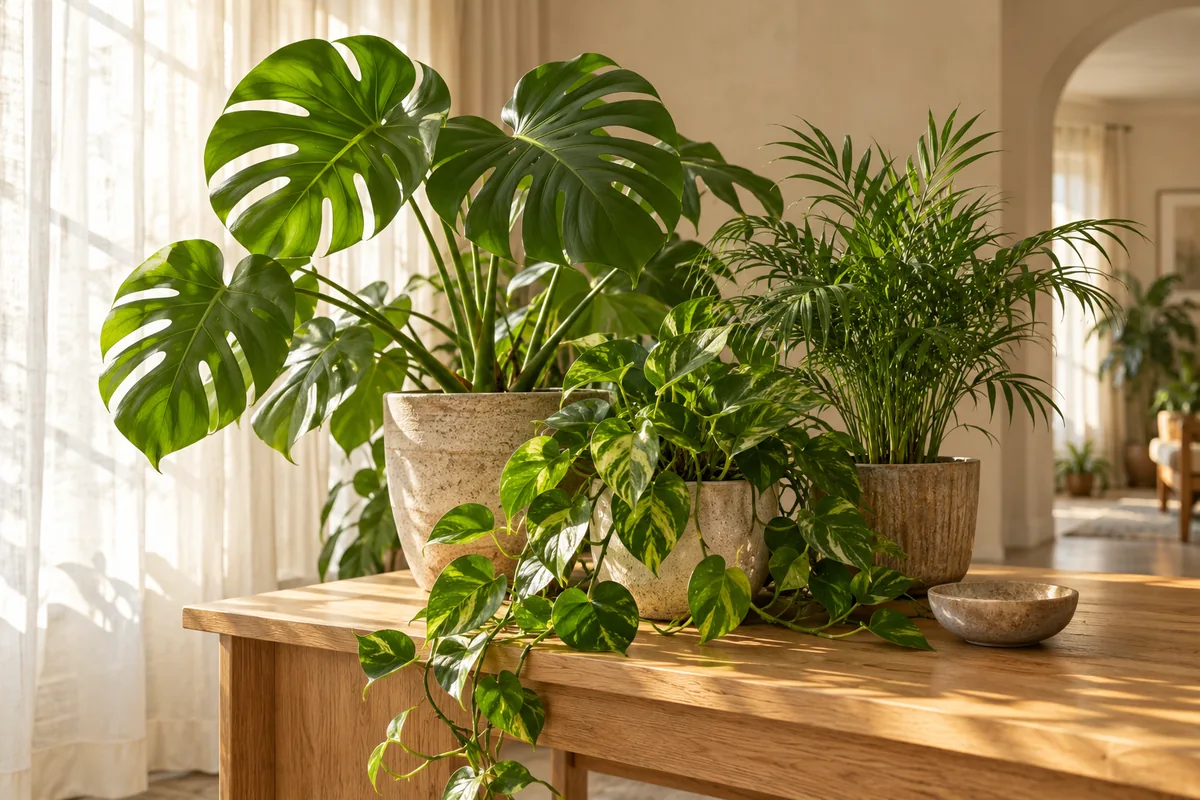
A watering day can arrive on the calendar while the pot is still damp from the previous one. Winter makes that mismatch easy to overlook because the routine feels familiar and the room may remain warm. Shorter days, lower light, and cooler root zones often slow water use, though the effect varies between plants and positions. Begin by replacing the automatic pour with a moisture check. The care task still happens; its result may simply be that no water is needed yet. That small change keeps attention focused on the roots rather than on maintaining the same interval that worked during a brighter and more active season.
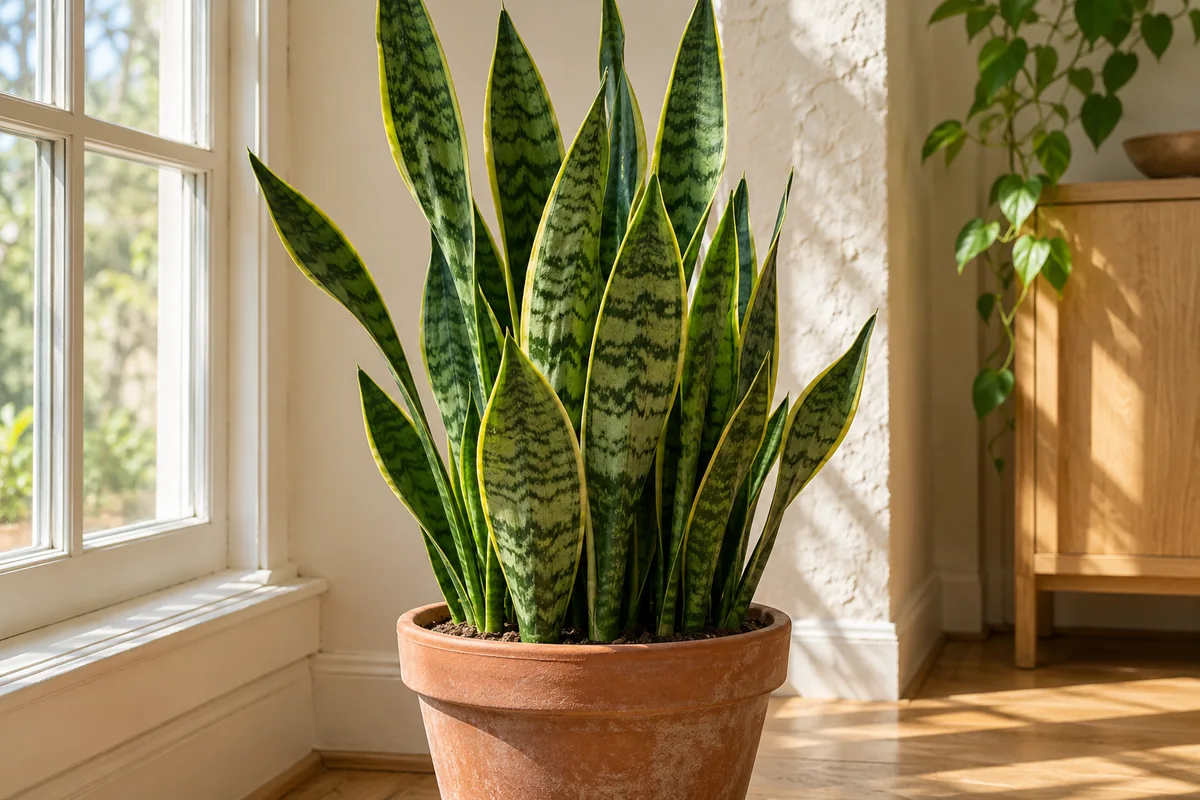
Feel the mix below the surface where you can do so without disturbing the plant. The top can dry while the center remains moist, particularly in a large pot or a dense mixture. Lift a manageable container and compare its weight with the weight after a thorough watering and full drainage. These clues become more useful together than either does alone. Keep the plant's needs in mind. A fern should not be allowed to reach the same dryness as a mature snake plant, and a small newly rooted cutting needs separate attention. Winter does not create one universal rule for every container that happens to be kept indoors.
Check where the pot sits. A windowsill can be much cooler than the room, while a position near a heating vent may dry exposed leaves quickly. The leaves and roots can therefore experience different demands. Crisp edges do not prove that the mix is dry, and a cool wet root ball may remain wet even in a room with dry air. Review light, temperature, airflow, and container size before changing the watering frequency. A grow light may keep one plant active while another in the same room slows down. Record those differences rather than trying to make the whole collection fit one winter schedule for the sake of convenience.
When the plant reaches the drying point appropriate for its species, water thoroughly enough to wet the root ball evenly. Apply water slowly, allowing it to absorb rather than rushing down one channel. Use water near room temperature and let excess water leave through the drainage holes. Empty the saucer or decorative cover afterward. Giving only a repeated little splash can leave dry pockets while dissolved material accumulates in parts of the mix. Less frequent watering does not necessarily mean a token amount each time. The useful distinction is between waiting until water is needed and then applying it properly, with free drainage and a clear view of the pot's response.
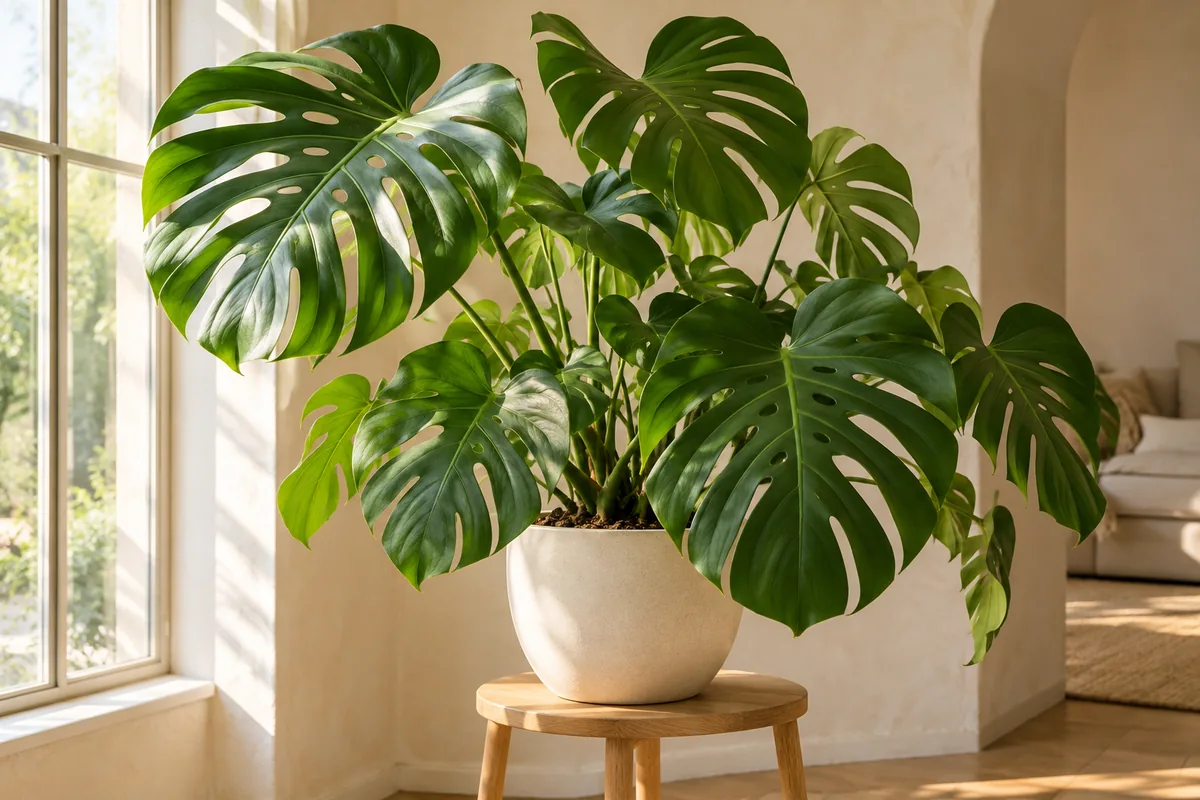
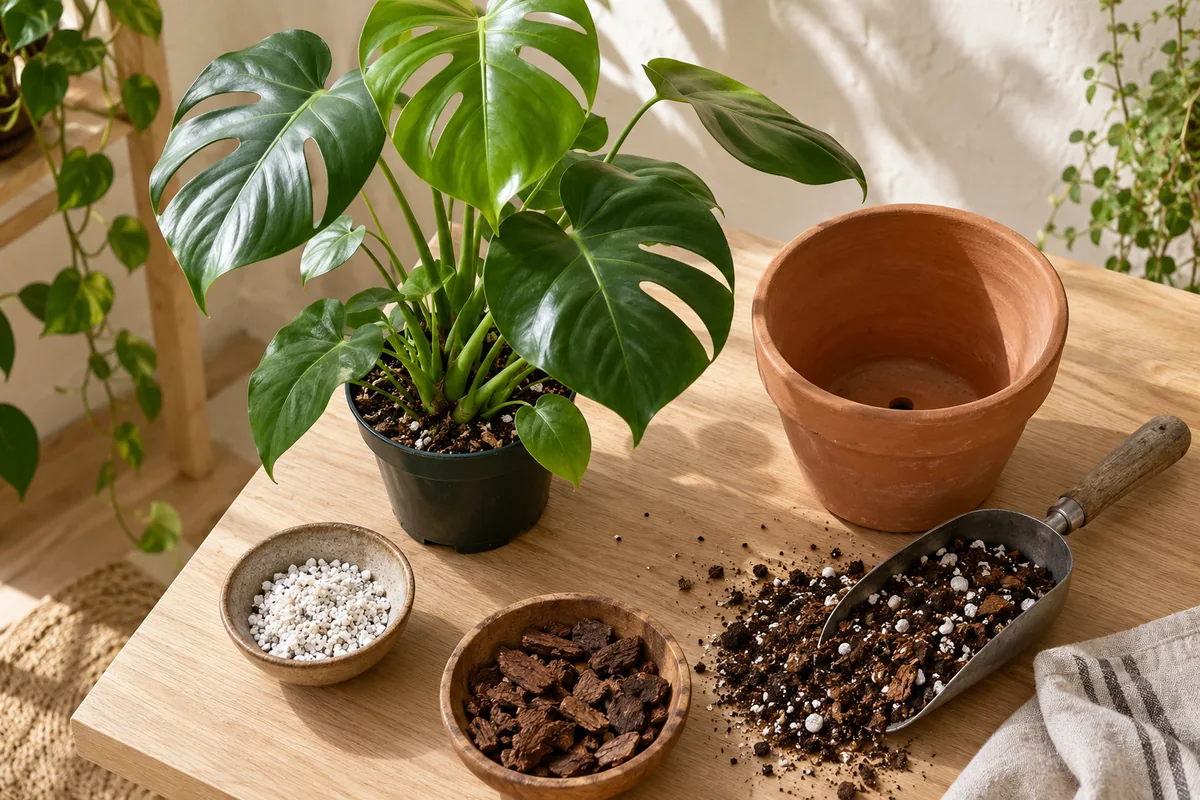
Large planters deserve particular care because their centers can be difficult to assess. Check accessible areas at more than one point, note the material and depth of the container, and avoid assuming the surface represents the whole volume. A plant with a small root system in a broad pot may need a much longer drying interval than its canopy suggests. If the mix stays wet for an unusually long period, review whether the container is appropriately sized and whether light is adequate. Repotting is not automatically necessary in winter, but an unsuitable wet environment should not be ignored indefinitely. Identify the cause before making another change that could disturb the roots.
A plant that droops should be checked rather than watered by reflex. Firm stems in dry mix may need a thorough drink. Limp foliage above wet material calls for an examination of drainage, root condition, and temperature. If the base is soft or the mix has an unpleasant smell, extra water is unlikely to help. Remove fallen leaves from the surface and keep the growing center visible. Avoid feeding as a general attempt to revive a plant that is not using water normally. Nutrients cannot correct a saturated root zone or an unsuitable cold position. Address the growing conditions first and watch the response under a steady routine.
Keep an eye on small pots and active plants even while reducing unnecessary watering elsewhere. A small terracotta container under useful light can still dry fairly quickly in winter. Newly propagated plants may also have limited roots and little buffer against complete dryness. Check them individually rather than assuming the seasonal slowdown applies equally. If you are away, leave clear instructions that describe the moisture check and identify pots that should be left alone when still damp. Equal amounts distributed across the collection are rarely a good substitute for that observation. A simple label or photograph can help someone else recognize the correct plant without guessing from a crowded shelf.
Write down a few winter checks, including occasions when you chose not to water. Those notes reveal the actual drying pattern and can prevent a return to habit after only a week. Compare the pattern again as daylight increases later in the season, because the appropriate interval will change. The goal is a flexible routine grounded in the pot's condition, not the longest possible period without water. A plant should have access to moisture when it needs it and air around its roots between applications. Winter care becomes clearer when each watering follows those observations, allowing slower growth to continue without the unnecessary complication of repeatedly wet mix.