A room can look pleasantly sunny on a winter afternoon while its plants receive far less total light than they did in summer. The beam may reach deeper into the room, yet it arrives later, leaves earlier, and is interrupted by long cloudy periods. That seasonal change affects growth and water use even when indoor temperature feels comfortable. Begin by looking at the light reaching each plant through an ordinary day. The winter routine is often a matter of making the available daylight more useful and reducing unnecessary intervention, rather than trying to keep every pot growing at its summer pace through stronger feed or extra water.
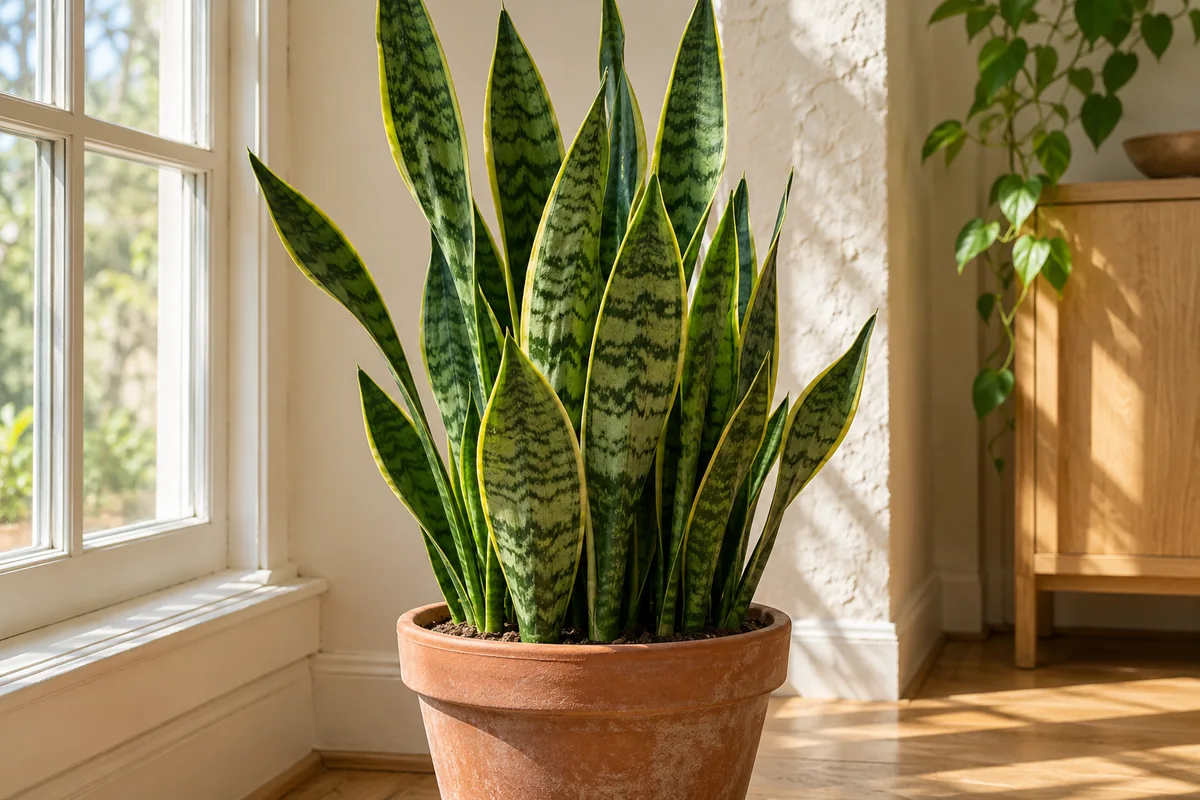
Check the window itself and the view beyond it. Outdoor trees may lose leaves and let in more direct sun, while nearby buildings or a porch continue blocking much of the sky. Curtains and blinds used for warmth or privacy can reduce the already shorter light period. Keep the glass reasonably clean and place suitable plants where they can benefit from the opening without touching cold panes. A high shelf above the frame may leave the crown shaded. The actual position of leaves matters more than whether the room is generally described as bright, especially when the useful part of the day is limited.
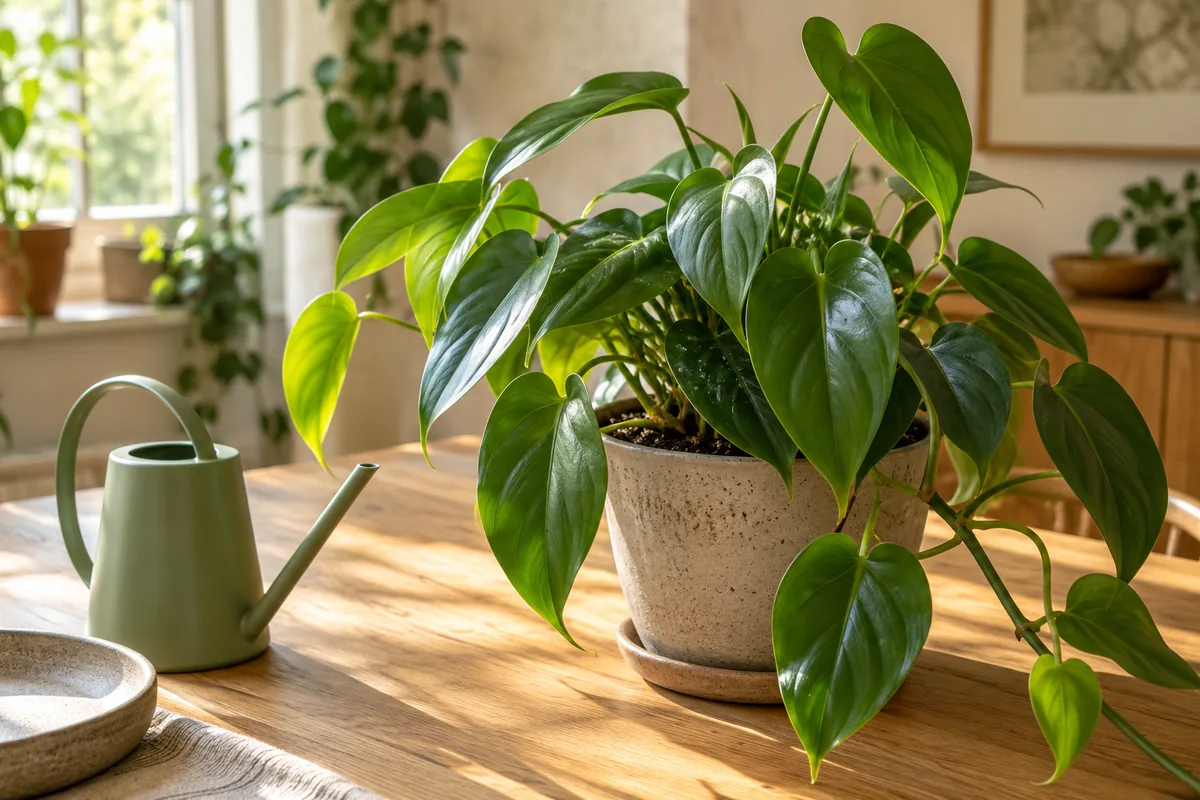
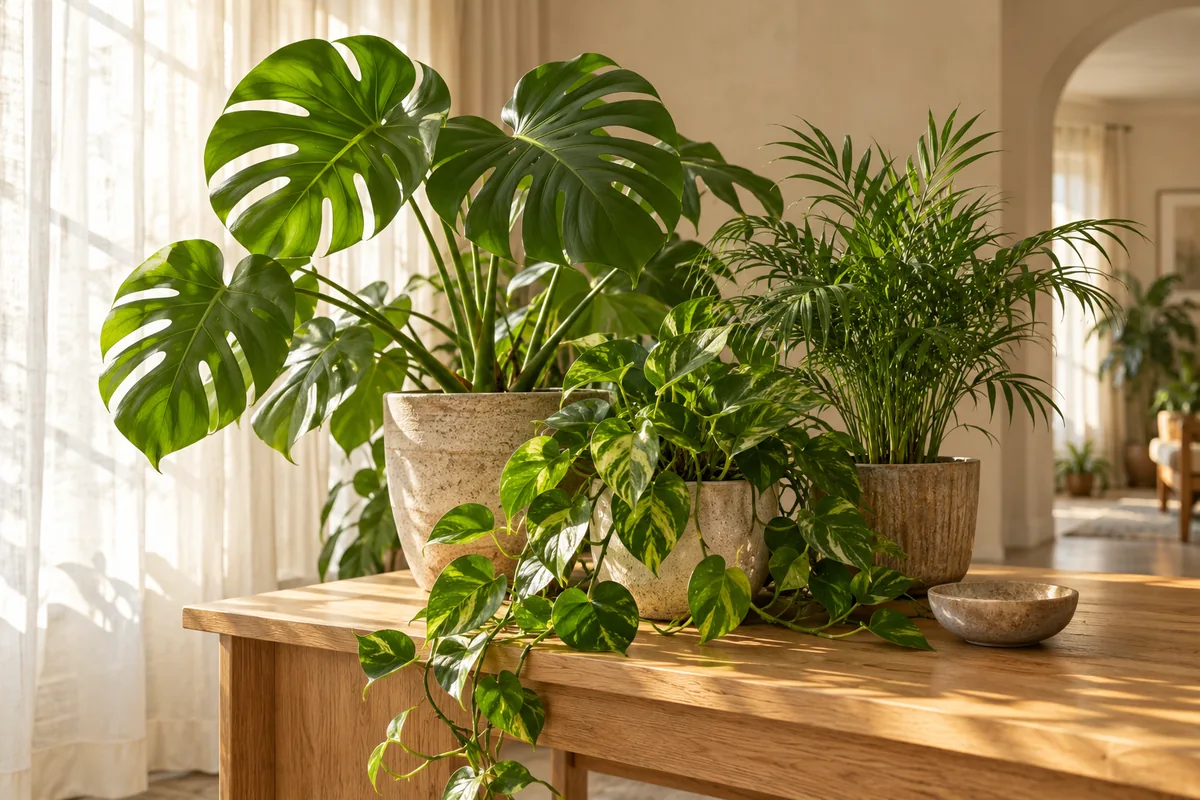
Move plants closer to useful daylight where appropriate, making changes gradually if the new position includes stronger direct sun. A plant that tolerates low light may still benefit from a brighter winter setting, while tender foliage may need a sheer curtain in an intense beam. Do not crowd every pot against the glass without considering temperature and space. Leaves pressed together can shade one another and become difficult to inspect. Keep climbing supports and trailing vines clear of curtains and doorways. A modest rearrangement that preserves access for watering usually works better than a dense collection placed where drainage and root moisture can no longer be checked.
Cold drafts and nighttime temperatures near glass deserve attention. A tropical plant may receive useful daylight in one spot and then become chilled when the room cools. Keep foliage from touching windows and move pots away from frequently opened exterior doors. Heated airflow creates another difficulty by drying leaf edges and changing evaporation around the container. A mild room average does not describe the conditions beside a vent or on a cold sill. Choose a stable position and inspect the immediate surroundings. Improving light is useful only when the rest of the setting remains suitable for the plant's species and root system.
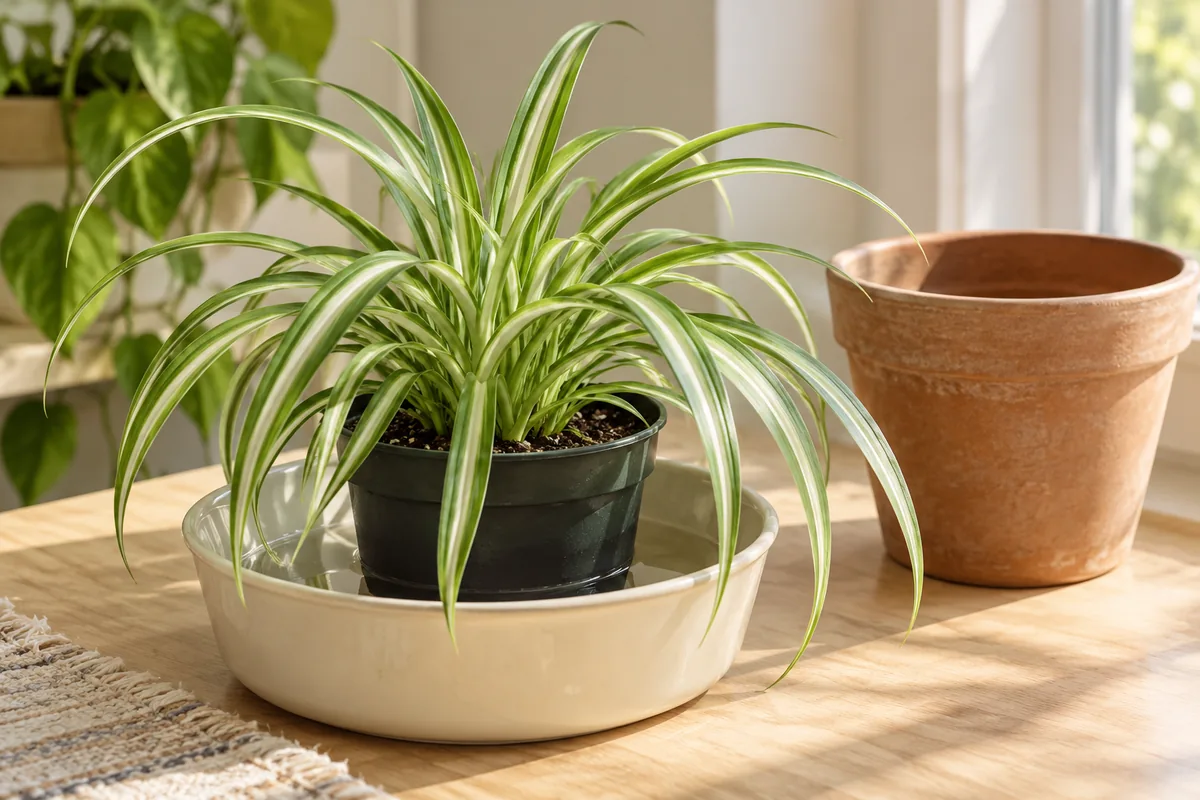
Water use often slows as growth and total light decrease. Check the mix below the surface before watering and let the plant's requirements guide the interval. A succulent may need a substantial drying period, while a fern still needs gentle consistent moisture. Indoor heating can dry some small pots quickly, so winter does not automatically mean every plant needs less frequent checks. Read the actual container. Water thoroughly when needed, allow drainage, and empty the saucer. A fixed summer quantity repeated on the same weekday can leave some roots wet for too long and others unexpectedly dry, depending on their location and pot size.
Keep leaves clean so dust does not further reduce the light reaching their surfaces. Support broad blades and wipe gently with a soft damp cloth. Fine foliage may need a careful rinse followed by thorough drainage, using a method suited to the plant. Avoid polishing oils and household coatings. Remove fully old leaves and fallen material from the mix so the root zone stays visible. Do not strip useful green foliage merely because the plant is paused. A seasonal slowdown can be normal. New growth, when it appears, provides a clearer indication of current conditions than trying to make every older marked leaf look new again.
Supplemental lighting can be useful where the available daylight is insufficient. Choose a suitable source, follow its placement guidance, and use a consistent daily period with an appropriate dark interval. A small lamp far from the canopy may brighten the room without supplying much useful light to the leaves. Observe coverage and the plant's response rather than relying on decorative glow. Feed according to active growth and product directions, considering nutrients already in the mix. Strong fertilizer does not replace missing light. If a plant remains quiet in a stable suitable setting, patience may be more useful than adding several new treatments at once.
Photograph the plants occasionally and compare the newest leaves and stem spacing over several weeks. Long thin growth may indicate a need for better light, while rapid leaf loss or soft bases calls for a closer root and temperature inspection. Review the arrangement again as days lengthen, since a winter position can become much stronger in spring. Useful winter care is responsive rather than rigid. Clear windows, clean foliage, sensible placement, and moisture checks matched to each root ball help plants use the light that is available. The aim is steady maintenance through a quieter season, with conditions ready to support fresh growth when daylight returns.