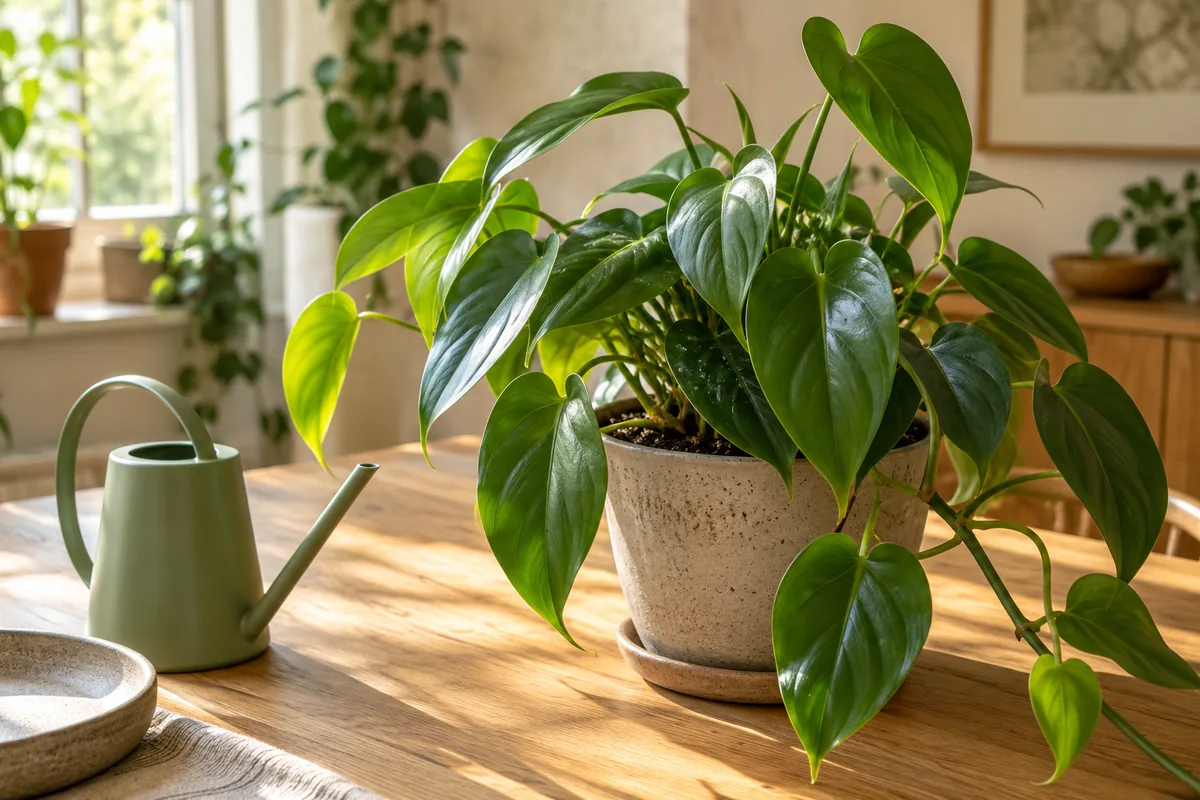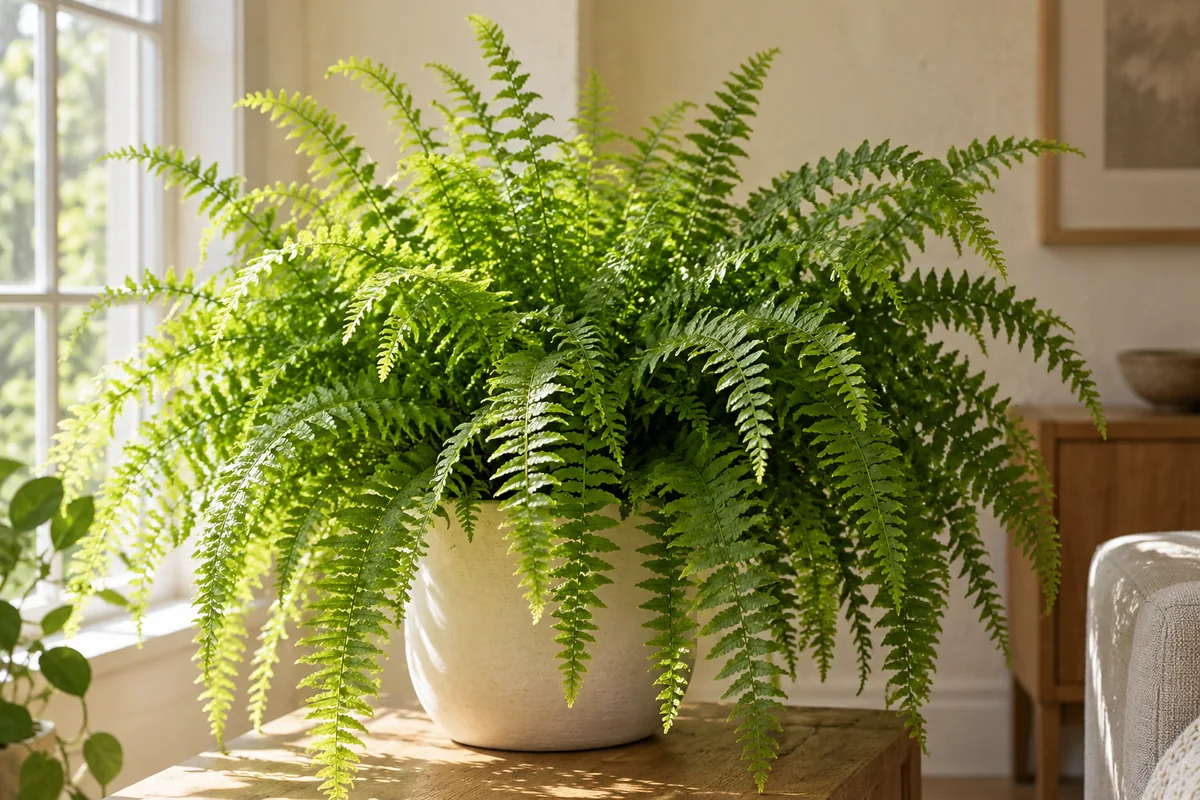
A fern beside a warm air vent can develop crisp edges even when its pot never becomes completely dry. The moisture around the leaves and the moisture around the roots are related parts of care, yet they are not interchangeable. Adding more water to already damp mix does not necessarily improve a dry room. Begin by looking at the whole position of the plant. Moving it out of a stream of heated air may make a more useful difference than misting it several times a day. A stable environment is easier to manage than a cycle of briefly wet leaves and rapidly drying air.
Use a room hygrometer if you want to understand the pattern more clearly. Put it near the plants without resting it on wet mix or directly beside a humidifier outlet. Read it at different times, especially when heating or cooling is running. The reading may change through the day, and one number does not describe every corner of the room. Accuracy varies between inexpensive instruments, so look for consistent trends rather than treating a small difference as decisive. The useful question is whether the plant is spending long periods in air much drier than its preferred conditions, particularly when warmth and direct airflow increase evaporation from the leaves.
Different plants respond differently to ordinary indoor humidity. A jade plant and a snake plant generally tolerate a drier atmosphere than many ferns and prayer plants. Match the collection to the conditions you can maintain comfortably. Moving a humidity sensitive plant away from a radiator or vent is a straightforward first step. A bathroom may provide occasional moist air, yet it still needs enough daylight and suitable temperature. An interior bathroom that is dark for most of the day is not automatically a better growing location. The right position combines useful light, a manageable watering pattern, and air conditions that remain reasonably consistent through normal household routines.
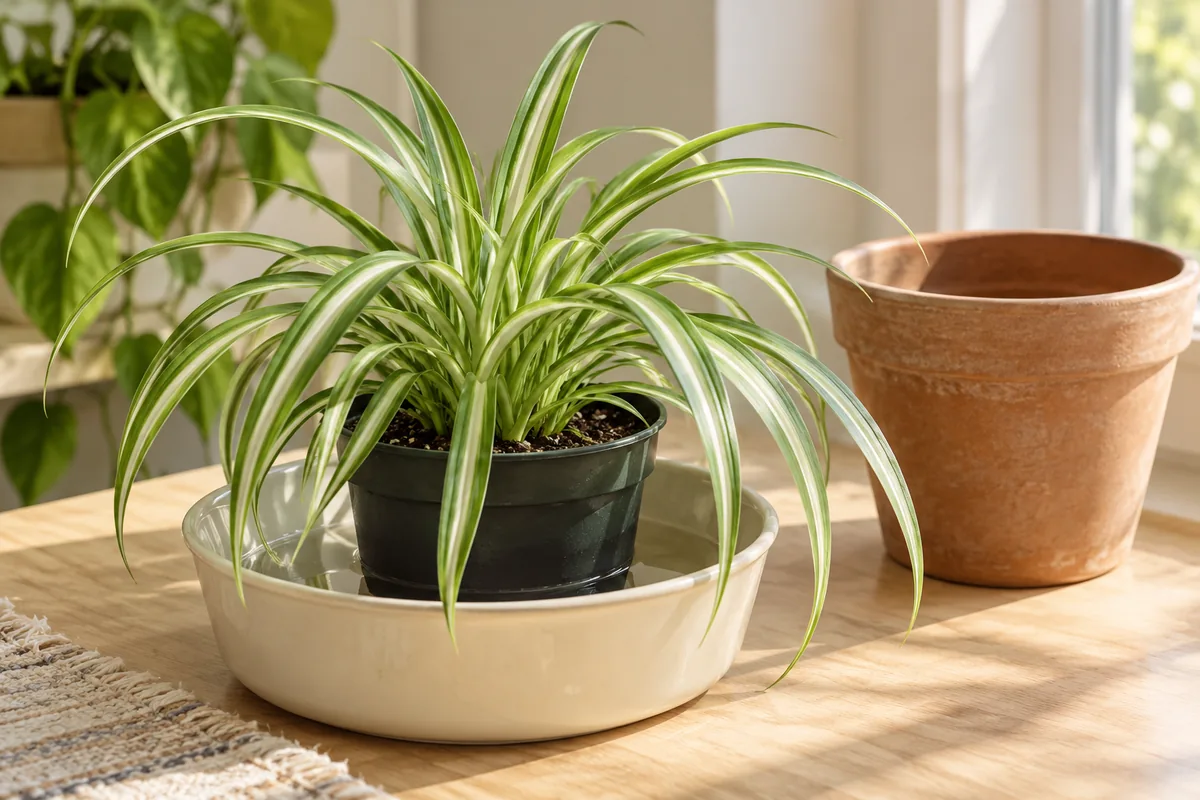
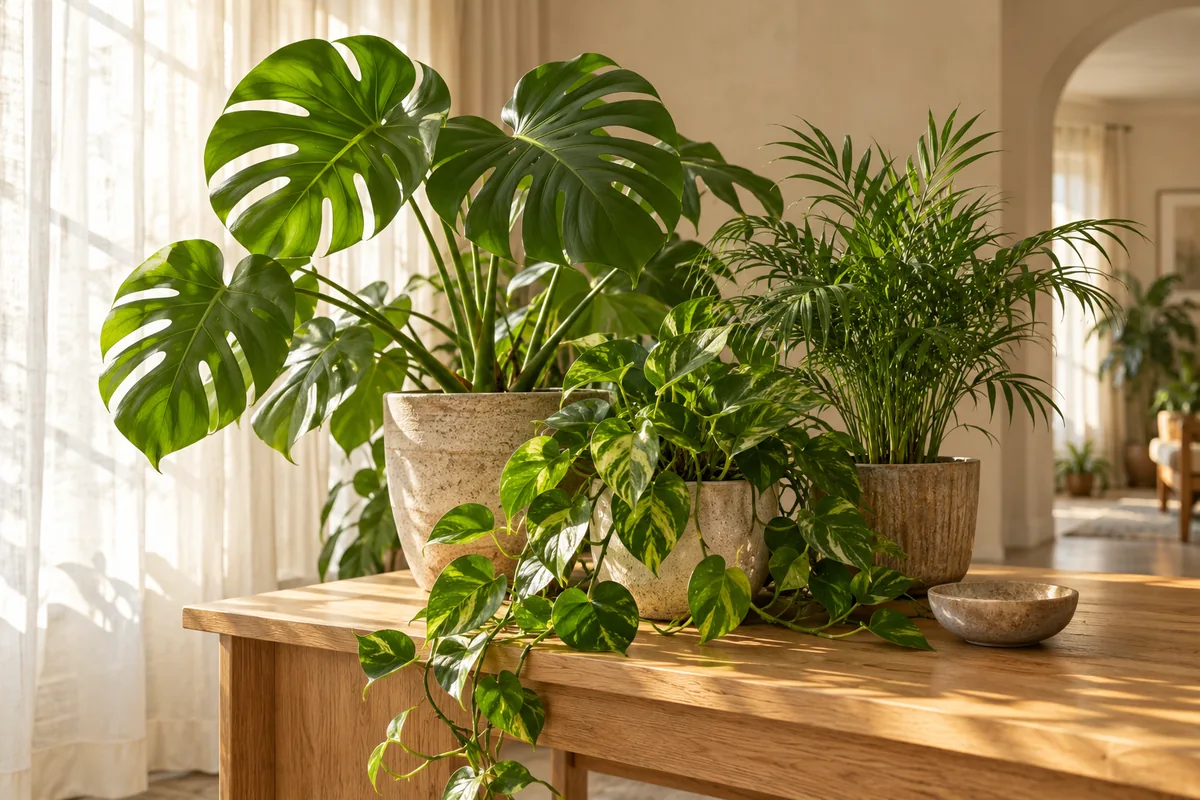
Misting has a short effect on surrounding humidity because the droplets evaporate or settle quickly. It can also leave mineral marks on foliage, depending on the water. It should not be treated as a reliable replacement for managing a persistently dry room. Pebble trays have a similarly limited reach in an open room. If you use one beneath a suitable plant, keep the pot above the water level so the base is not continually saturated. Grouping plants can create a somewhat different local environment and makes observation convenient, but a tight cluster also shades inner leaves and reduces access for watering. Leave enough space to inspect every container.
A humidifier can change room conditions more consistently when used correctly. Choose a practical location, follow the manufacturer's cleaning and water instructions, and monitor the actual room rather than running it continuously without checking. Keep the outlet from directing a stream onto leaves, furniture, walls, or electrical equipment. Excess moisture and persistent condensation are signs that the setting or placement needs attention. The aim is a suitable range for the plants in a room that remains comfortable and dry on its surfaces. A small appliance tucked inside a dense plant group can wet nearby foliage while doing little for the rest of the collection.
Air movement helps prevent stagnant pockets, yet a strong stream directed at leaves can increase drying. Ordinary room ventilation and sensible spacing may be sufficient for a small collection. If a fan is needed for a shelving arrangement, use gentle circulation and watch the plants nearest its path. Leaves should not be continually battered or pressed against one another. Avoid placing newly rooted cuttings directly in a strong draft. Closed propagation covers need their own attention because moisture can accumulate rapidly inside. Open or vent them gradually as appropriate to the plants, and inspect for persistent droplets and deteriorating material rather than assuming that maximum humidity is always desirable.
Review watering after changing the room environment. A plant moved away from a vent may use moisture more slowly, while one placed in brighter light may use it more quickly despite improved humidity. Check the mix and container weight instead of continuing the previous interval by habit. Brown leaf edges can result from several causes, including uneven watering and mineral accumulation, so do not diagnose them from humidity alone. Old damaged edges will not turn green again when conditions improve. Evaluate new growth over the following weeks and keep the changes limited enough that you can understand what helped. Stable observation gives a clearer answer than adjusting light, feed, water, and humidity at once.
A workable indoor environment rarely requires constant intervention. Keep the most demanding plants in the best suited positions, leave room around their leaves, and check room conditions during seasonal changes. Clean the equipment you use and inspect the hidden spaces behind dense foliage. If a species continually struggles in the air you can provide, moving it to another suitable room or choosing a more tolerant plant may make care simpler. The objective is steady moisture where roots need it and appropriate air around the foliage. Once those two needs are considered separately, the collection becomes easier to water and the role of each environmental adjustment becomes clearer.