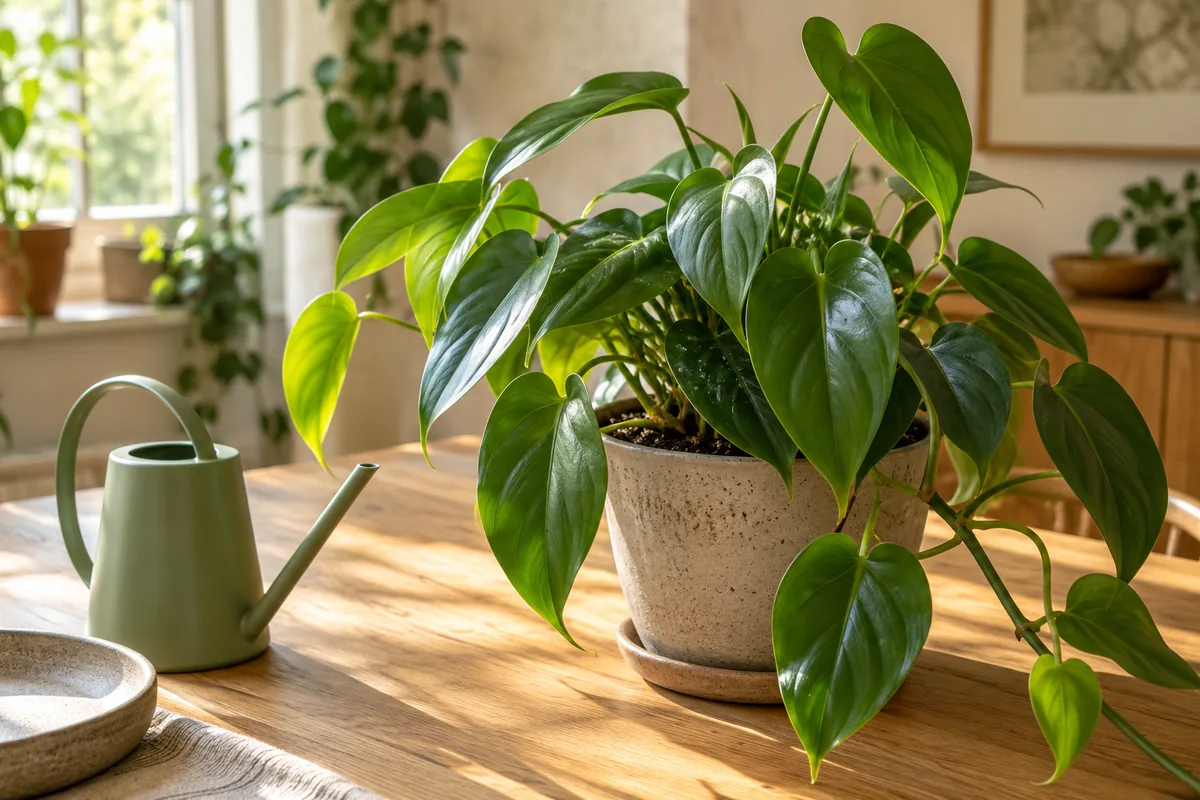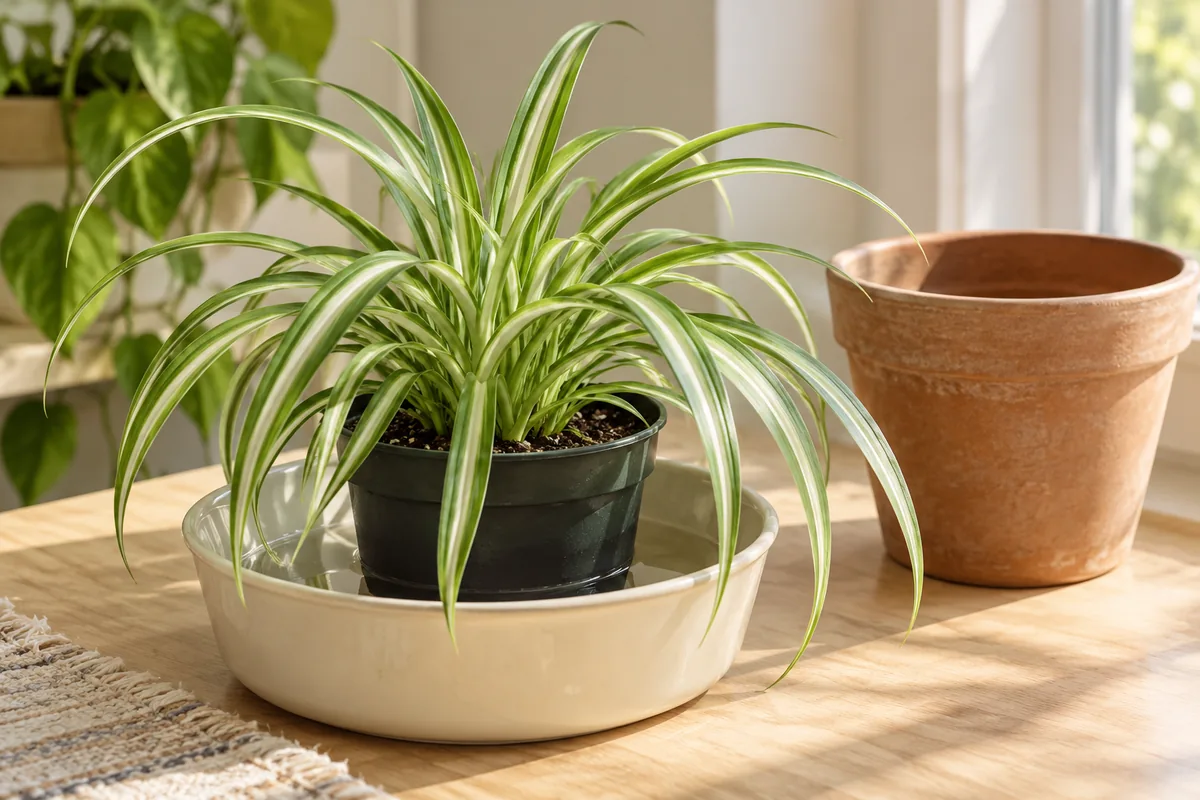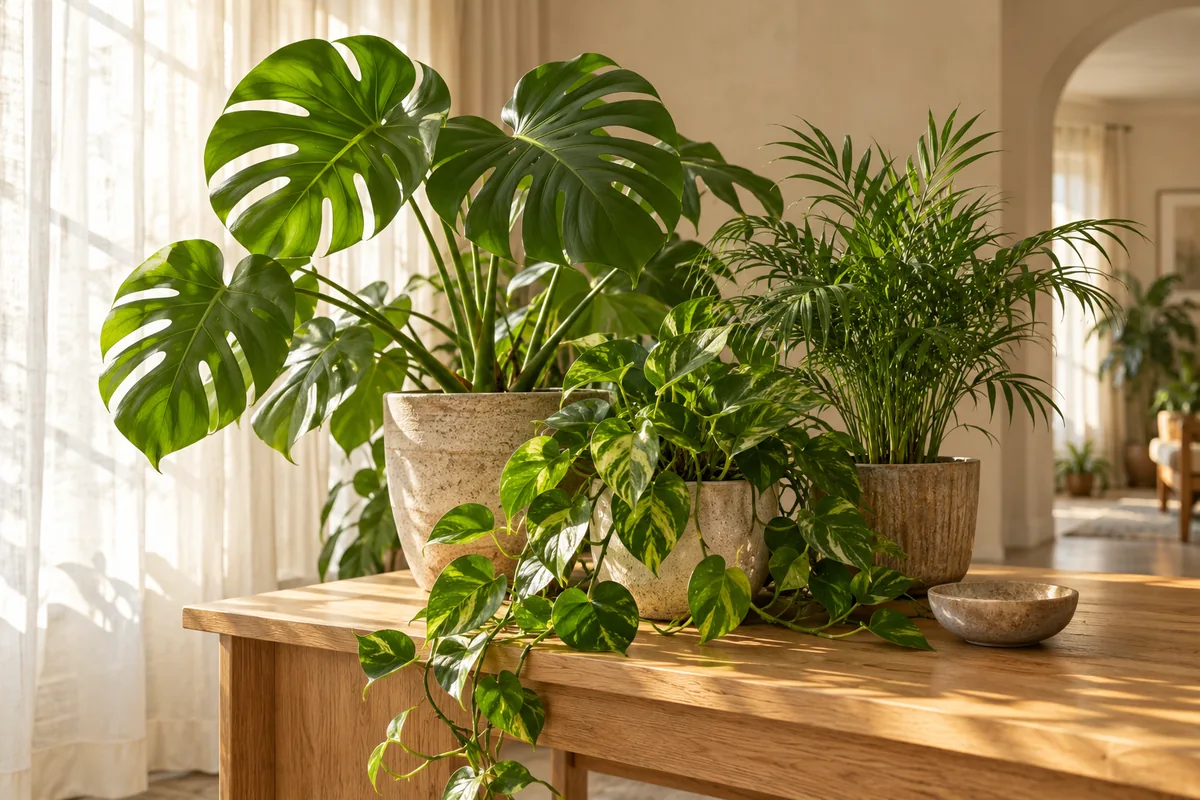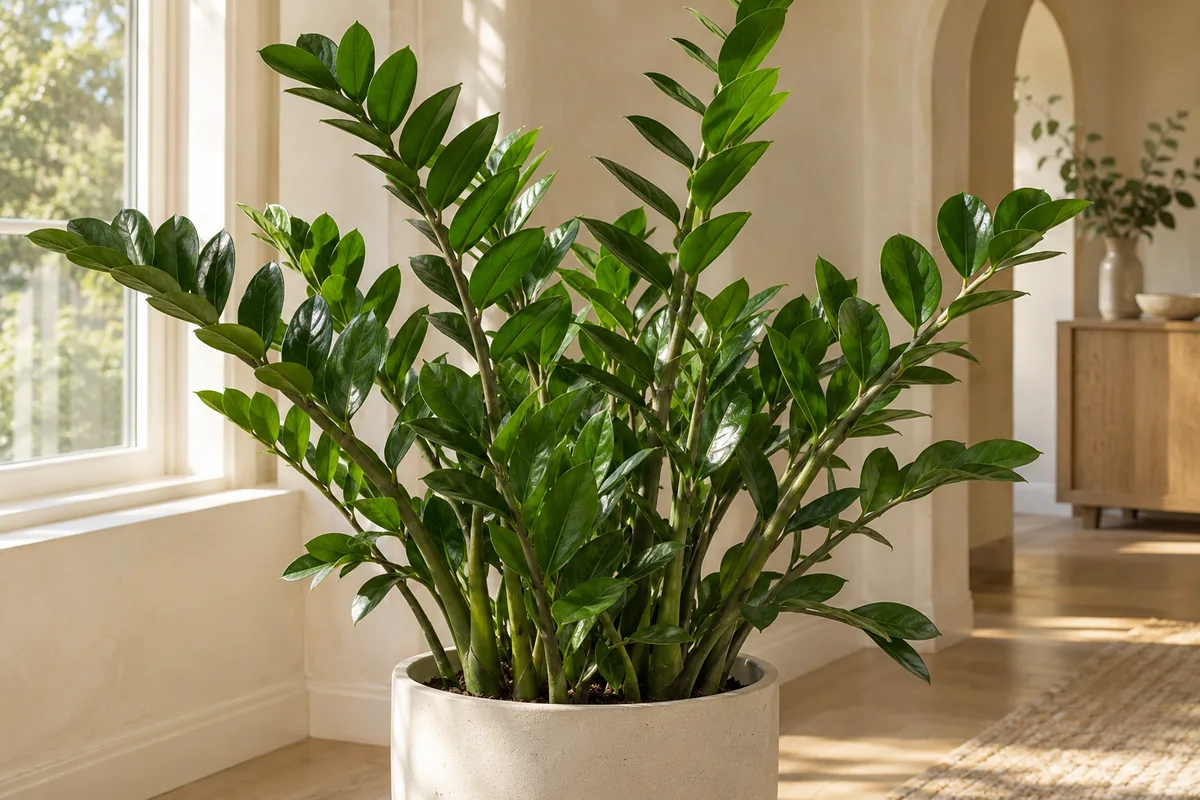
A suitcase beside the door has a way of making every plant look suddenly thirsty. Resist giving the whole collection an extra soaking just because you are leaving. A plant that was watered yesterday does not need another drink before a weekend away, and a dry succulent may be quite comfortable until you return. The useful preparation starts several days before departure, when you can notice which containers actually dry quickly. Make your decisions from the condition of each root ball and the length of the trip. A small fern beside a bright window needs a different arrangement from a mature snake plant in a large container.
Walk through the collection with a notebook and record when each plant was last watered. Feel the upper growing mix, then check farther down where practical with a clean wooden skewer. Lift manageable pots to compare their weight with the weight you remember after watering. Those observations reveal which plants are approaching their usual watering point. Give those plants a thorough watering and let excess water leave the drainage holes. Empty every saucer and decorative outer container afterward. Leaving several inches of standing water beneath an ordinary nursery pot creates an unpredictable reservoir that may keep the lower roots saturated for the whole trip rather than extending an appropriate watering interval.
Light and temperature determine how quickly that stored moisture is used. Before leaving, keep plants away from hot glass, strong afternoon sun they do not normally receive, and direct airflow from heating or cooling vents. Moving a plant a modest distance into the room can reduce evaporation during a short absence, provided the new position still receives useful daylight. Do not shut every curtain and leave foliage plants in darkness for several weeks. Avoid moving the entire collection into a bathroom simply because it sounds humid. An interior bathroom with no daylight changes the growing conditions more than an ordinary trip requires and may not retain moisture consistently anyway.
Small containers need special attention because their reserves are limited. A pot of cuttings can dry much faster than an established plant in a larger volume of mix. Group small pots where a helper can find them easily, keeping leaves from pressing tightly together. Grouping makes care simpler; it does not guarantee that the surrounding humidity will rise enough to replace watering. For a very short absence, a normal watering at the right time may be sufficient. For a longer absence, arrange a reliable person to inspect them. Give that person the actual moisture check to use instead of requesting the same amount of water for every container on a fixed day.
Any watering device should be tested while you are still home. A wick, reservoir insert, or slow release container can behave very differently in coarse bark and in fine coir. Run the intended arrangement through at least one normal drying interval and inspect the lower part of the root ball. If the surface remains wet, the device supplies more water than that plant can use in the current conditions. A sudden installation on departure morning leaves no opportunity to adjust it. Keep electrical equipment separate from water containers, and place the whole arrangement on a surface that can tolerate spills. Simplicity usually gives a helper fewer things to misunderstand.
Write individual instructions in plain language. A label reading check the upper inch and water only when dry is more useful for a suitable foliage plant than water twice. Specify where the drainage water should go and whether the inner pot should be removed from its cover. Show the helper the difference between a small amount of water on the surface and a full watering that reaches the lower roots. Include your contact details and ask for a photograph if a plant looks unfamiliar. Do not leave an unmarked container of concentrated plant feed for routine use. Feeding is rarely a necessary task during a brief absence and adds another decision for the person helping.
Delay optional repotting and major pruning until you return, unless a clear existing problem demands attention. Freshly disturbed roots may respond unpredictably to their first few watering cycles. A large change in leaf area also changes how quickly a pot dries, which makes the instructions you prepared less useful. Remove fallen leaves from the mix and check that drain holes are open. Examine the collection before grouping plants closely, and keep any plant with unexplained spots or insects apart from the others. These ordinary housekeeping steps make the setup easier to inspect without turning the week before a trip into an unnecessary overhaul of the whole collection.
On your return, inspect before watering. A plant may have remained damp through cool weather, while another used its moisture faster during a warm spell. Look at the mix, container weight, and leaf condition together. Water the plants that have reached their usual threshold, drain them completely, and return any temporarily moved containers to their normal positions gradually. Ask the helper what they noticed so your next set of instructions can be clearer. The aim is a familiar growing environment with enough oversight for the length of your absence. That approach usually requires fewer interventions than soaking every pot or introducing an unfamiliar system at the last moment.