A root poking through a drainage hole is easy to notice, yet it is only one small part of the story inside a pot. Some roots reach an opening early while much of the surrounding mix remains unoccupied. Other plants fill their containers densely without sending a conspicuous root beneath the base. The decision to repot is clearer when several observations agree. Watch how the plant grows, how quickly its container dries, and whether water still enters the root ball evenly. If those clues suggest crowding, a careful look at the root mass can confirm what has changed instead of relying on the first root you see.
Compare the current watering pattern with the plant's familiar one. A container that dries much faster during similar light and temperature conditions may contain more roots and less available mix than before. Rapid drying can also follow warmer weather, a move toward a window, or increased airflow, so consider those changes first. Water running quickly through the pot can indicate crowding, but it can also bypass a shrunken dry core through gaps at the sides. Slow the application and check the center. If the mix wets evenly yet the plant soon reaches its watering threshold again, root occupancy becomes a more plausible part of the explanation.
Look at growth without expecting every crowded plant to behave the same way. Some continue producing leaves while using water increasingly quickly. Others make smaller growth or appear stalled despite suitable care. A plant in poor light can also grow slowly, so size alone is not enough. Check whether the species is in its active growing period and whether the medium still has an appropriate nutrient supply. Avoid applying stronger feed in an attempt to solve a physical lack of root space. Fertilizer cannot create new volume inside a densely occupied container, and excessive concentration can make an already difficult root environment harder to manage.
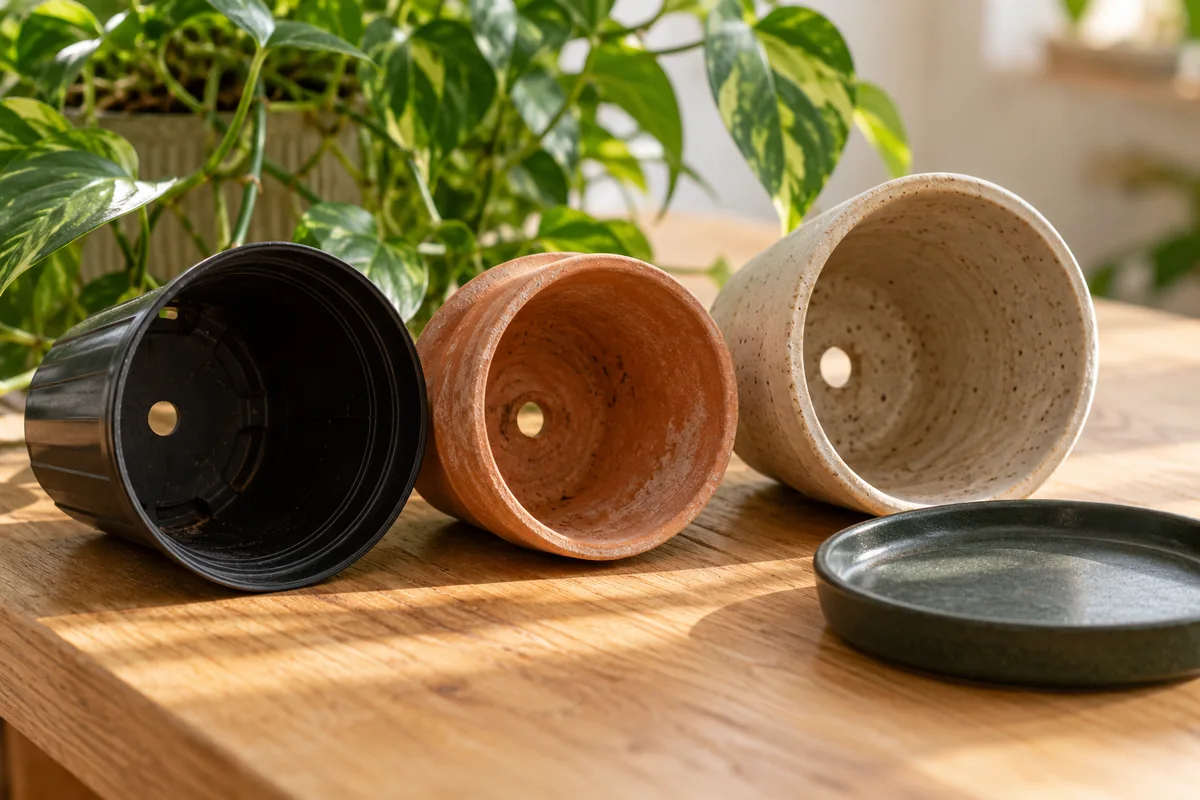
Inspect the outside of the pot. Flexible plastic may bulge or become distorted as thick roots or rhizomes press against it. Roots may form a dense mat beneath the base or emerge at the upper surface. Decorative covers can hide these clues, so lift the inner pot periodically during ordinary care. A plant that seems fixed inside its cover may have roots extending into collected water below. Remove the cover carefully rather than pulling on the stem. The useful growing volume may now include hidden material outside the nursery pot, which needs to be understood before deciding how to separate or repot the plant.
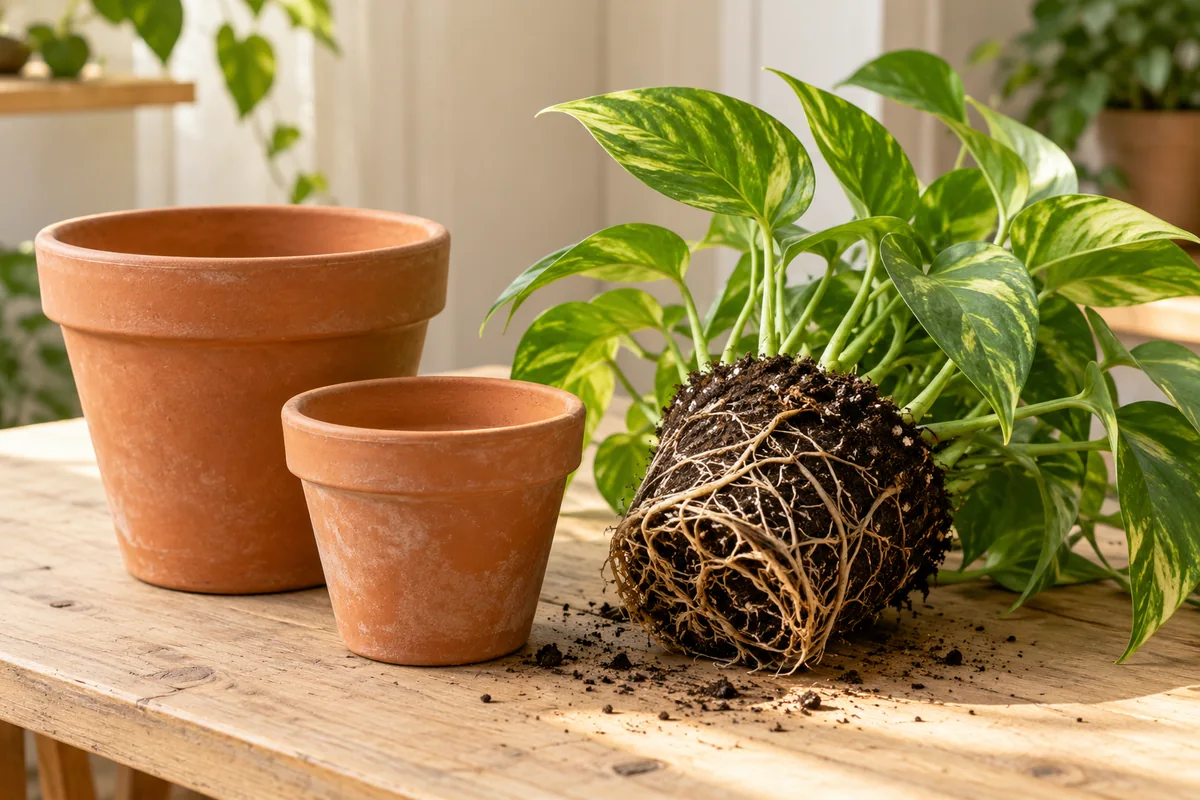
When a closer inspection is justified, choose a manageable point in the watering cycle and support the root ball as it slides out. Do not repeatedly unpot a plant every few days to check for progress. Look for dense roots circling the outside, layers wrapped beneath the base, and little remaining loose mix. A few roots against an otherwise open moist surface do not necessarily require immediate enlargement. The root ball should be interpreted as a whole. Firm roots and suitable medium can remain functional even when the plant is somewhat snug. The question is whether crowding has begun making moisture, growth, or container integrity difficult to manage.
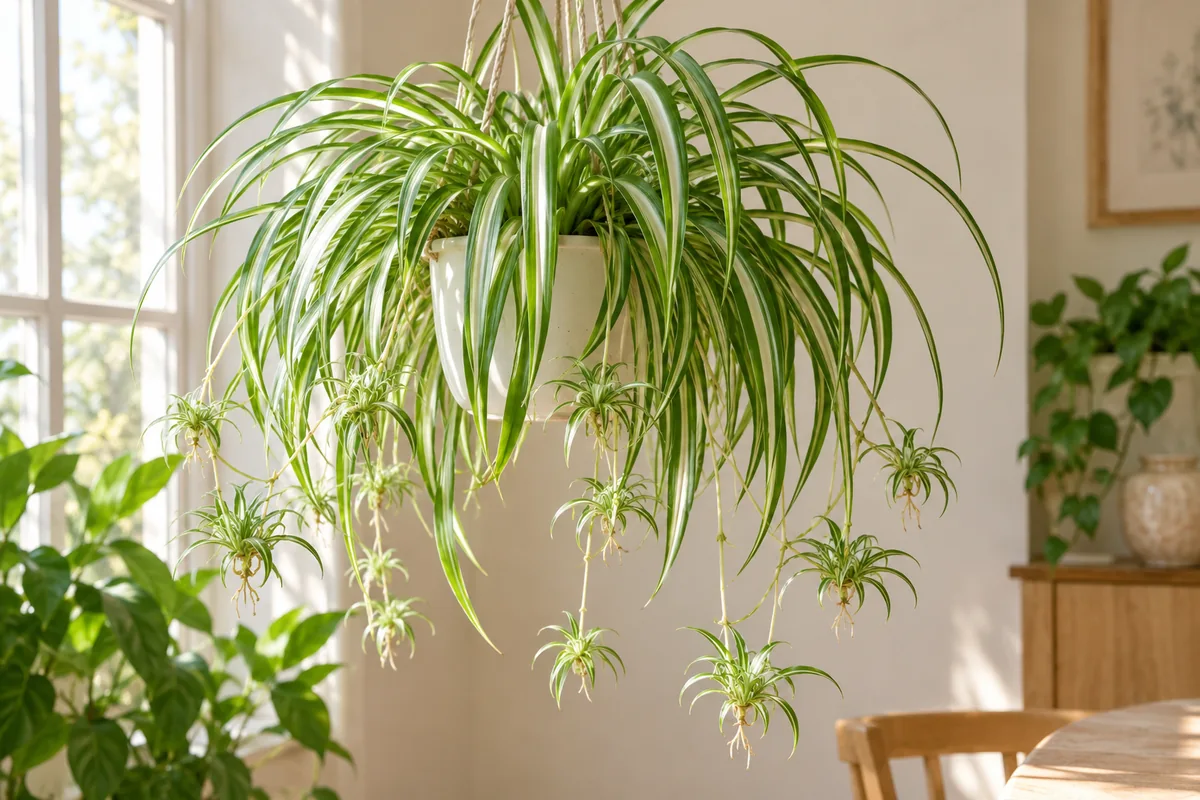
Consider alternatives to moving the whole plant into a larger pot. A clumping species may be divided if it has useful separate crowns with roots. Some established plants can be maintained with appropriate root pruning and refreshed medium, though the method must suit the species and condition. A simple modest increase is often the most straightforward option when more space is available. Avoid choosing a large final planter years ahead of need. The new pot should fit the current root ball with a manageable amount of fresh medium. A heavy outer container can improve balance without adding excessive wet volume around the roots of a tall plant.
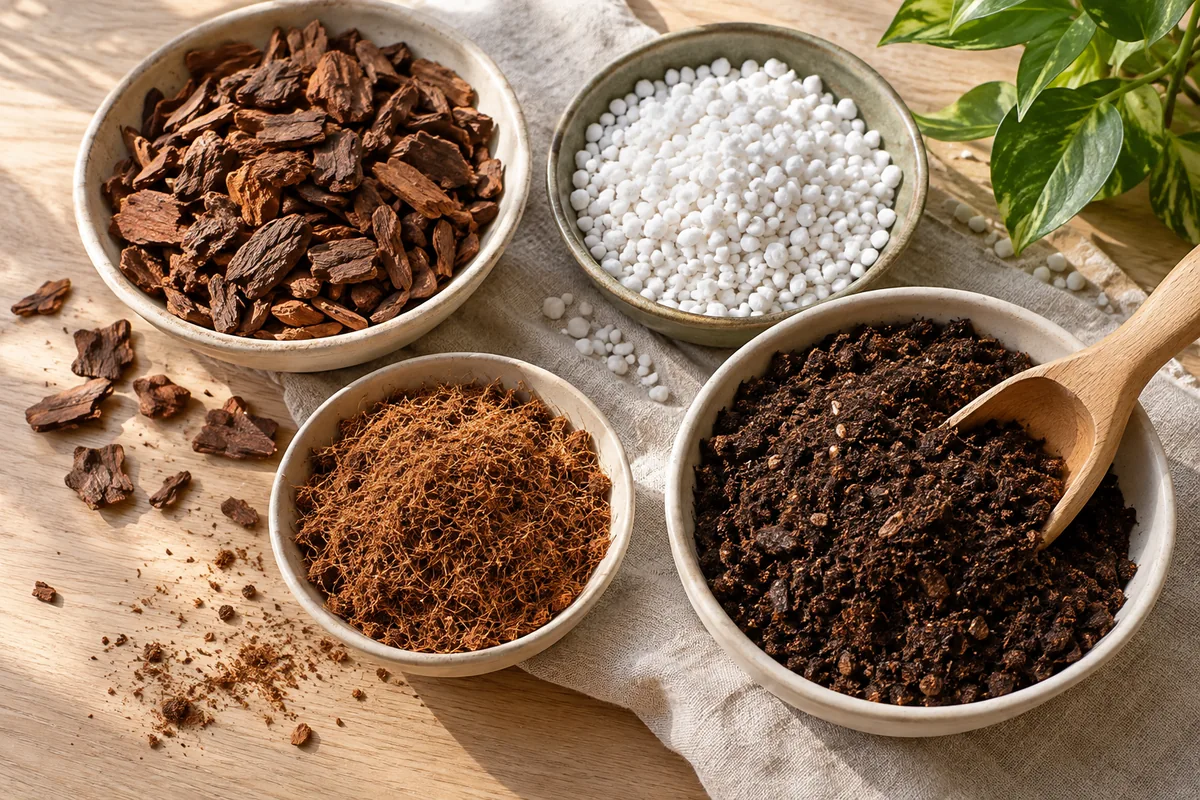
Repot with gentle handling and suitable material. Loosen accessible circling roots where practical, preserve firm functioning sections, and remove clearly deteriorated material with clean tools. Keep the plant at its previous depth and settle fresh mix around the sides without hard packing. Open drainage and an appropriate growing medium remain necessary even when the old pot was crowded. After watering as suited to the species and root condition, allow complete drainage and inspect the next drying interval. Fresh mix and additional volume often retain moisture longer than the old root filled container. The watering schedule that once felt urgent may no longer be appropriate.
Use the change as a reference for future care. Note the root condition, container dimensions, and mix rather than recording only the date. Over the following months, observe whether water enters evenly and whether new growth develops normally. There is no need to repot again merely because a root reaches the new drainage opening. Wait for a pattern that shows the available space is becoming difficult to manage. Recognizing crowding is a practical judgment built from several clues. That judgment helps you give roots fresh room when it is useful while avoiding unnecessary disturbance and oversized containers when the existing root zone still works well.