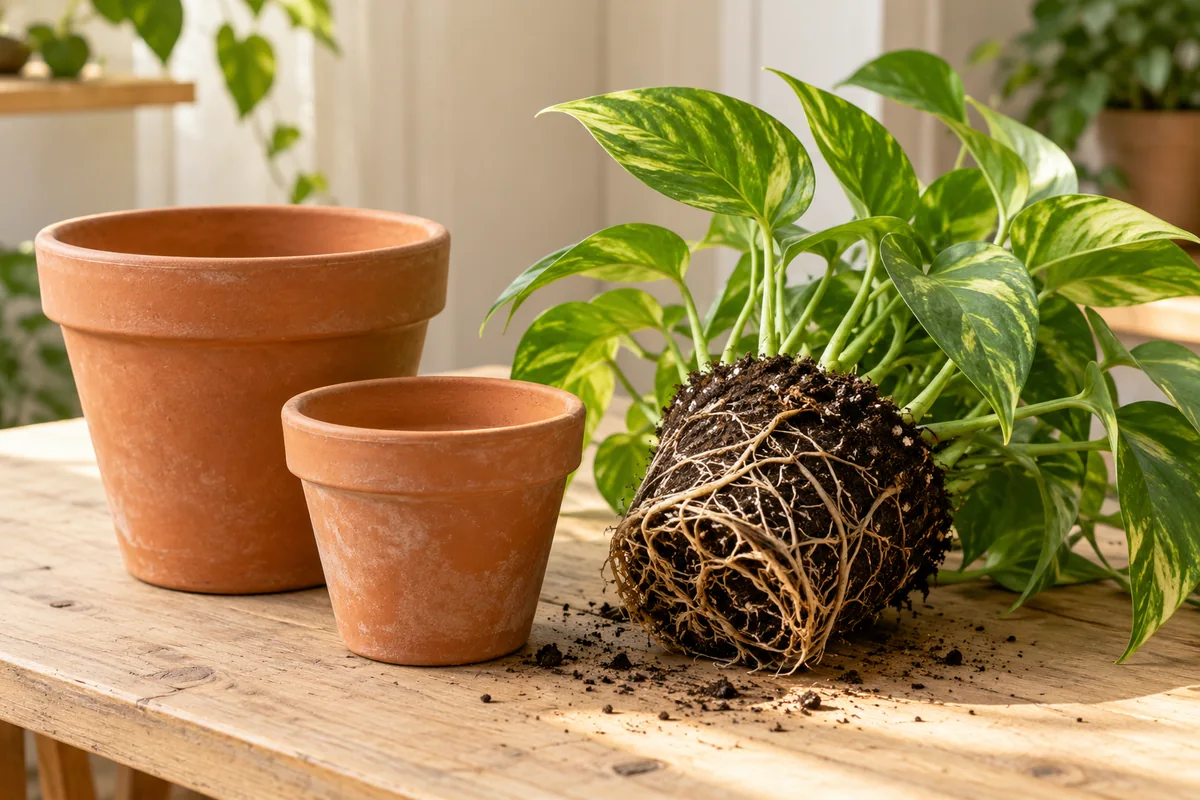
An opened bag of potting mix often ends up wherever there is space after repotting: beside a garden door, beneath a shelf, or on the floor of a damp shed. Months later, the contents may be wetter, drier, or more compacted than you remember. Good storage starts before that bag is put away. Keep the material identifiable, sheltered, and separate from old roots and used mix. A fresh growing medium is easier to manage when you know what it contains and how it was stored. The aim is not to preserve it unchanged forever, but to avoid unnecessary contamination and moisture extremes before the next planting session.
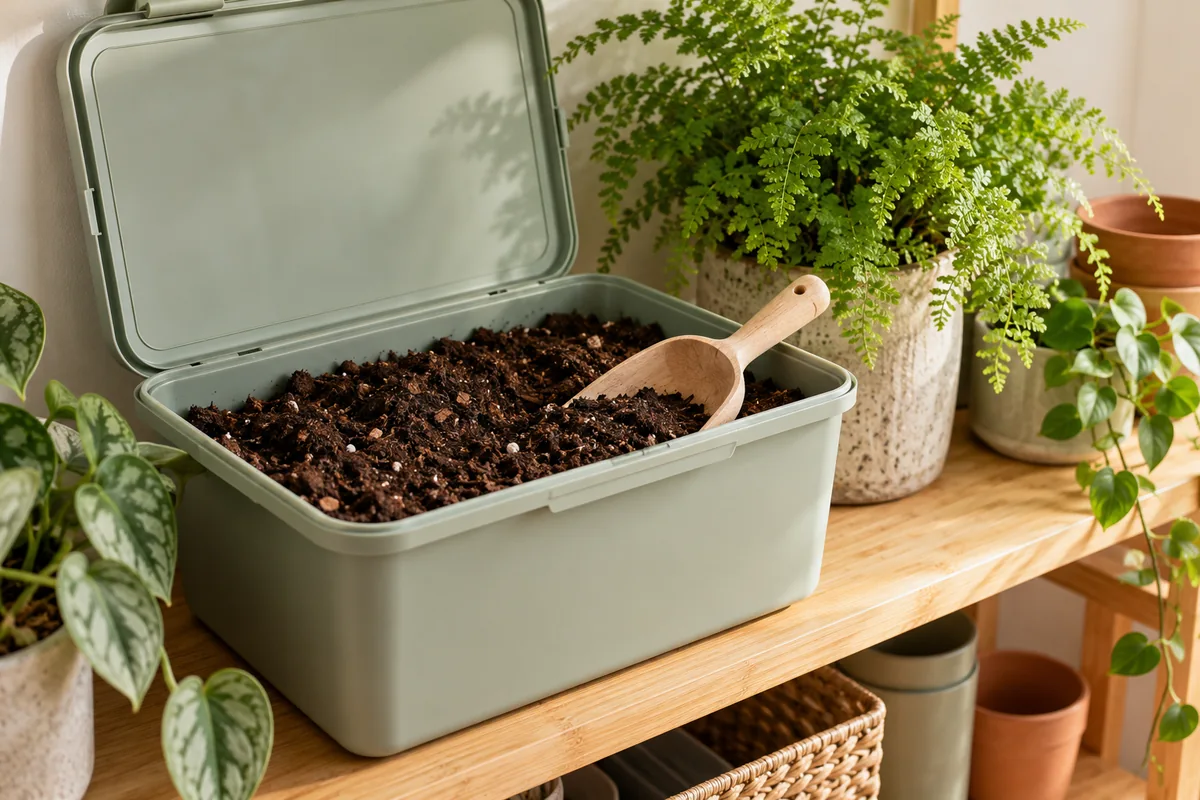
Keep the original packaging when practical because it carries ingredient information, feeding guidance, and handling instructions. If the mix is transferred into another container, copy the product name and relevant details onto a clear label. Homemade blends should be labeled with their components and approximate proportions. A dark fine mix and a barky blend can look more similar after settling, especially in an unmarked storage tub. Include the date opened or blended if you want a useful reference. That small record helps when a plant responds differently after repotting and you need to distinguish a new product from a familiar blend that has simply been stored for longer.
Choose a sheltered place away from persistent rain, standing water, and direct heat. A bag resting on a wet floor can absorb moisture through small openings or damaged seams. A warm sunny location can dry some areas unevenly and degrade packaging. Follow the supplier's directions for closing and ventilation. Do not seal soaking wet organic material into an airtight container without considering its condition. At the same time, an open bag invites debris and insects. The practical balance is a clean protected supply that remains in the moisture state intended for storage, with the container or bag closed in a way appropriate to the material.
Use clean tools when removing portions. A scoop that has just handled old roots or outdoor soil should be cleaned before entering the fresh bag. Avoid returning unused material from a dirty work tray to the main supply. It is easy to mix in fragments of roots, fallen leaves, or an unnoticed insect when cleaning up quickly. Keep a separate container for used mix and label it clearly. Reusing old medium is a distinct decision that depends on its previous use and condition; it should not happen accidentally because several dark materials were tipped together. A small clean reserve is more useful than a large supply whose history is uncertain.
Before using stored mix, inspect it in good light. Look for unusual odors, obvious contamination, extensive breakdown, or material that has become a dense wet mass. Some natural variation and small changes in texture are expected with organic ingredients, so appearance alone needs context. Read the bag directions if a particular surface growth or storage issue is addressed. If the material seems unsuitable or its history is unclear, do not place it around an established indoor plant simply because the bag was expensive. The cost of a small amount of replacement mix is easier to assess than the effects of an unknown contaminated batch within a valuable collection.
Turn the material before measuring a new portion because components can separate during handling and storage. Coarse bark may collect in one area while fine particles settle elsewhere. A scoop taken only from the top may not represent the original blend. Break apart soft clumps gently and premoisten suitable dry material if needed for even planting. Do not crush every large piece in an effort to make the texture uniform. Those pieces may be part of the intended structure. Compressed ingredients should be prepared according to their directions before blending, and fertilizer additions should take account of any nutrient supply already included rather than being added by habit.
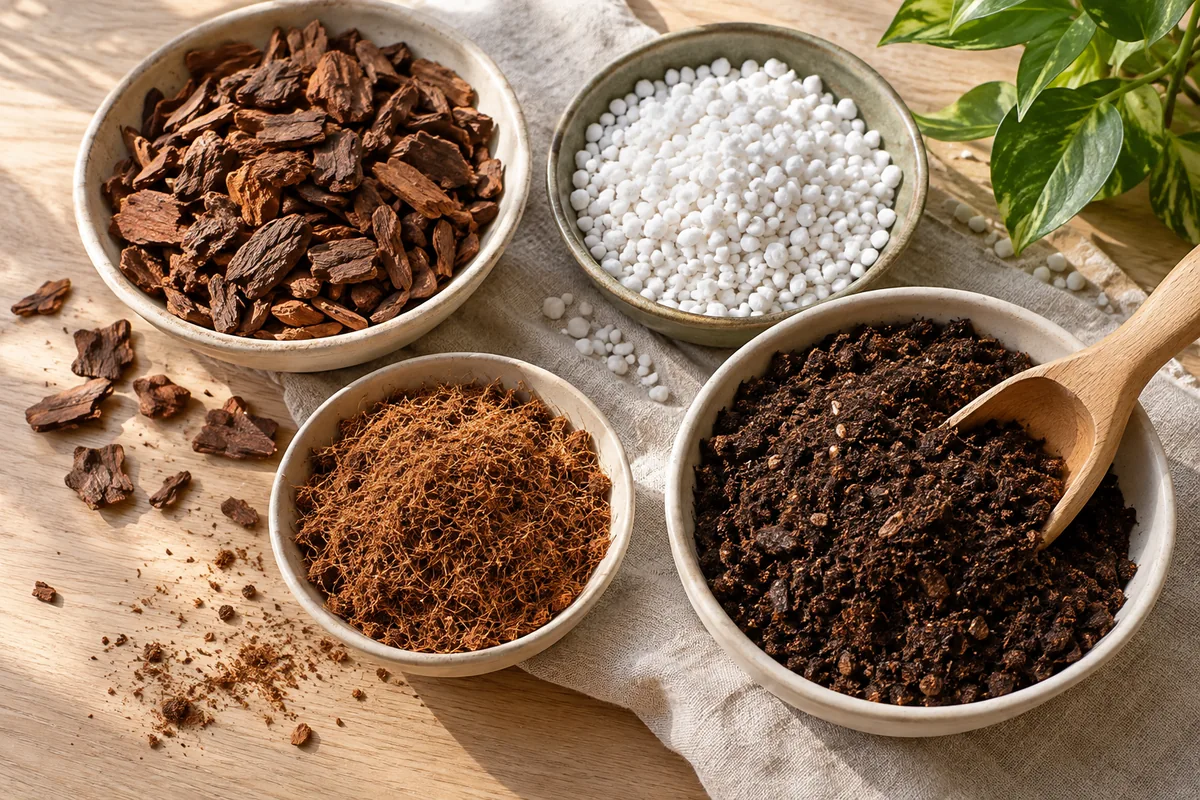
Store separate ingredients with the same attention to identity and cleanliness. Bark grades, perlite sizes, and coir products can produce different results even when their names are familiar. Keep bags closed against debris and protect dusty materials from being spilled in indoor living areas. Measure with a consistent scoop and write down any blend that performs well. If an ingredient has changed grade or supplier, note that change rather than assuming the next batch will behave identically. A practical planting station does not need many products. It needs a few clearly understood materials that can be combined and stored without losing track of what each contributes to the root environment.
At the end of each repotting session, put the supply away while its condition is still clear. Remove spills, clean the scoop, close and label the containers, and keep used material separate. Check the storage area occasionally rather than discovering a leak only when the next plant is waiting on the table. Reliable storage makes future work simpler because the ingredients begin in a known state. The roots still need a suitable mix, pot size, and watering routine after planting, yet those decisions are easier when the growing medium has not spent months absorbing water, collecting debris, or losing its identity in an unmarked corner of the room.