The Particular Shine of a Forest Palm
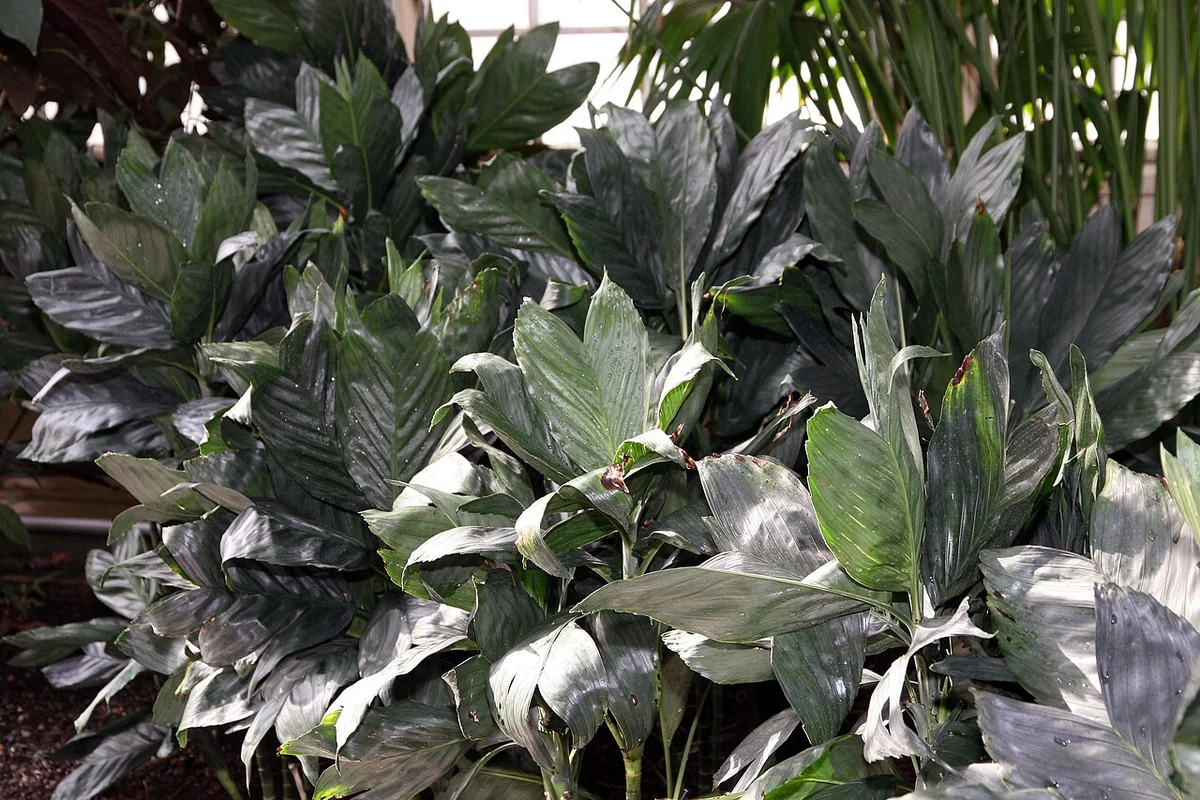
The metallic palm can stop a visitor with a single leaf. Chamaedorea metallica usually carries broad, undivided blades with a split tip, and their dark surface can appear blue-green or metallic when light falls across it. This is very different from the fine, many-leafleted foliage commonly expected of an indoor palm. Its restrained height and slow development make it useful where an architectural plant is wanted at a smaller scale. The effect depends on keeping the leaves intact and giving each one room, so it is better displayed as an individual specimen than squeezed into an overcrowded mixed planter.
Its native home is in Mexican tropical forest, where the plant grows under a much taller canopy. The metallic appearance is a visible characteristic of the foliage, not a metallic coating to be renewed with leaf polish. Plant identity matters here because young palms of several species can have broad juvenile leaves before their adult foliage divides. A nursery label and a sequence of later leaves help distinguish this species from a temporarily similar seedling. Some variation in division occurs, but a plant sold under an appealing common name should still be connected with a clear botanical name before care advice is applied.
Displaying Broad Leaves without Scorching
A bright shaded position allows the unusual leaf surface to be seen without subjecting it to intense, unfamiliar sunshine. A desk close to a window, an illuminated display shelf, or the edge of a bright office can work. The compact size does not make a dark shelf suitable simply because the pot fits. Harsh direct midday light can spoil the broad blades, while insufficient light reduces the energy available for new growth. Place the plant so the upper surface can be viewed at an angle. That simple choice makes the natural sheen more visible than moving it into a hot beam of sunlight.
Its broad leaves give useful clues during watering, but the decision should begin in the pot. Keep the root medium moderately moist with a small drying interval near the surface. Do not allow the modest root ball to remain continuously soaked, and do not repeatedly let it shrink dry away from the container. Because the plant grows slowly, cool dim conditions may extend the interval considerably. Use enough water to reach the roots and then drain the pot. An ornamental vessel without an inner draining container makes this balance harder to judge and increases the chance that surplus remains hidden beneath the plant.
Roots, Leaf Surfaces, and Small-Scale Care
Choose an airy humus-rich mix rather than a dense mineral garden soil. A small, stable pot is usually adequate while the root system remains limited. Repot because roots and medium require attention, not because a new decorative container has become available. Handle the slender base gently and preserve sound roots. Covering the stem more deeply to make the plant appear shorter creates an avoidable risk around living tissue. If several seedlings share a nursery pot, decide whether that arrangement is desirable before attempting separation. Their combined leaves can be handsome, but overlapping blades lose some of the sculptural clarity of a single specimen.
Cleaning should be gentle and deliberate. Support a leaf beneath its surface while wiping away dust with a soft damp cloth, taking particular care near the split end. Do not rub vigorously in an effort to make the metallic effect stronger. Oils and glossy coatings can obscure the very surface that makes the plant interesting. A torn blade cannot be made whole by trimming it into a new shape. Keep it if sufficient green area remains, or remove it only when the loss is justified. Protect the central growing point, since a solitary palm does not replace a cut crown by branching from below.
Reading New Growth and the Reflective Surface
Nutrition is modest rather than intensive. Apply a suitable dilute houseplant or palm feed when there is active growth, respecting any nutrients already present in fresh mix. A slow species can be overfed long before it produces a dramatic increase in size. Leaf-tip discoloration should prompt a review of moisture, water quality, salts, and roots before another dose is added. Keep a simple record of the date a new spear opens. That provides a more meaningful sense of progress than expecting a large new leaf every few weeks. The compact habit is part of the appeal rather than a problem to overcome.
Inspect the folds and undersides for scale, mealybugs, or mites when bringing a new plant into a collection. The dark, reflective surface can hide subtle changes unless the leaf is viewed from several angles. Stippling that spreads is different from a stable natural sheen. Place a suspect specimen apart from other plants while identifying the cause, and test any appropriate treatment cautiously according to its label. Avoid applying several products simply because the foliage is unusual. A broad leaf that has been scorched by a sudden light change will not regain its original surface, even if subsequent leaves grow normally after the position is corrected.
A Botanical Gift for Close Attention
This palm can be a thoughtful gift for a design-minded recipient with a bright, sheltered shelf. Its metallic appearance might personally suggest quiet sophistication or the value of looking closely. There is no need to invent a folklore of wealth or a guarantee of good fortune around its color. The recipient should know that it is a slow-growing collection plant whose beauty rests in a few carefully maintained leaves. Supply a label, a draining pot, and an explanation of the chosen position. For a workplace, confirm that the shelf will not be repurposed or moved far from daylight once the initial decoration is rearranged.
The best way to enjoy Chamaedorea metallica is to let its scale dictate the display. A simple pot and space around the canopy allow the leaf shape to remain the focus. Keep it clear of files, curtains, and frequently handled objects that scrape the blade edges. Follow the condition of the next new leaf rather than repeatedly treating old cosmetic damage. With consistent root moisture and gentle light, the plant can develop an increasingly recognizable character without demanding a large floor area. Its interest lies in the particular structure of a forest palm, not in pretending to be a miniature version of every other palm.