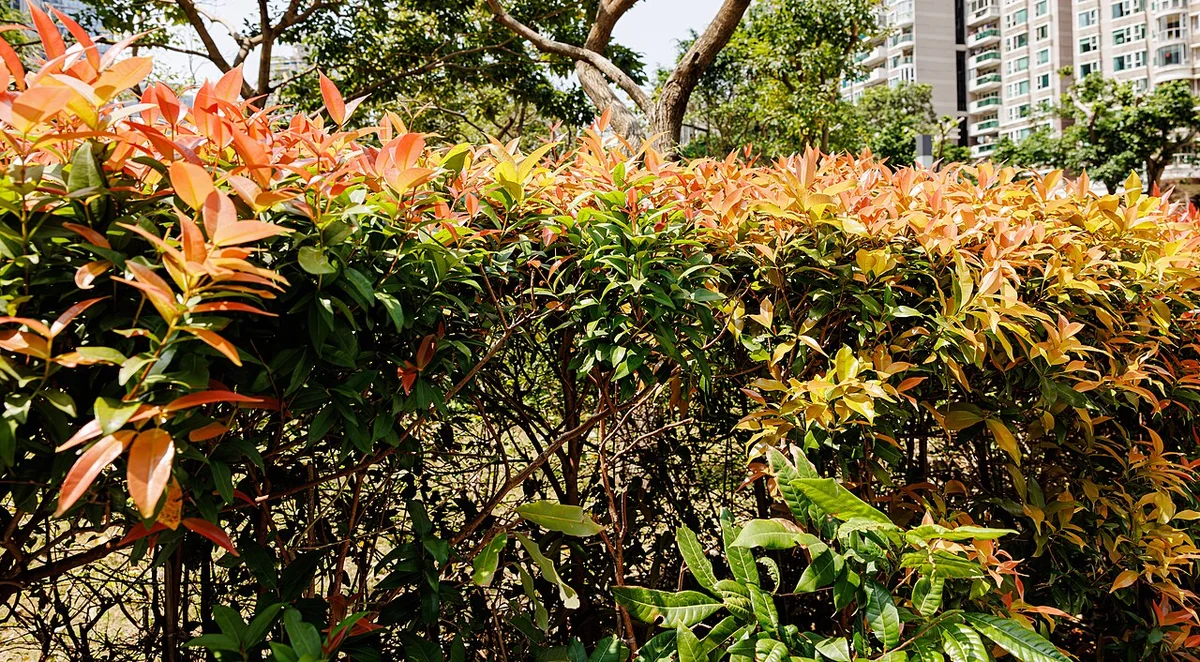
Magenta lilly pilly is a distinct tree
Syzygium paniculatum can be offered as a glossy leaved topiary or bonsai subject, sometimes under older Eugenia names. Its relationship to other lilly pillies has produced considerable retail confusion. Do not assume that a brush cherry label identifies this species without checking the nursery name. The plant can develop a convincing woody framework in a container, but its indoor role depends on bright suitable conditions and continuing maintenance. A shaded office corner does not become appropriate simply because the tree has already been clipped into a compact form. The crown must still receive enough light to support its leaves and replacement shoots.
The species is associated with eastern Australian rainforest habitats and is distinct from Syzygium australe, although older horticultural labels have often blurred them. A supplier who can identify the plant and its cultivated form provides a better starting point than one who labels every small glossy standard Eugenia. New growth, white flowers and later pink to magenta fruits can add seasonal interest in suitable conditions. The display will depend partly on how much of the growing tips are removed. A tightly clipped indoor tree may remain primarily a foliage subject, which is a reasonable result rather than evidence that its identity or care must be wrong.
Think in terms of a bright protected collection
Use a well lit conservatory, a suitably bright window arrangement or an annual plan that includes favourable outdoor conditions. The exact exposure should avoid both deep shade and an abrupt move from nursery protection into burning glasshouse sun. A small trained tree may need more daylight than its decorative sales presentation suggests. Check the canopy height relative to the window and any blinds. If the upper crown grows above the available light, moving it to the floor can worsen the problem instead of solving it. Adequate growing room includes usable light across the tree, not just a measured patch of floor.
Keep the foliage away from strong heating vents and unsuitable cold draughts. In summer a sheltered outdoor position can provide good light and airflow where the weather is appropriate, but acclimate the plant rather than changing exposure in a single step. Inspect it before winter protection and consider the vulnerability of a container root system to cold. The protected position should remain accessible for moisture checks. Evergreen leaves do not make a tree independent of its roots during slower growth. A bright quiet winter arrangement is different from storing the pot in a dark room until warmer weather returns.
Match the container to a woody root system
Use an open fertile medium with dependable drainage and enough moisture retention for an actively growing rainforest relative. Preserve the previous collar level. A proportionate increase in pot size can accommodate expanding roots, but a large mass of unused damp material around a small root ball can be difficult to manage. For a standard, choose stability and inspect the stake and tie. For a bonsai, the reduced root volume makes regular observation especially important. Neither form should stand indefinitely in water collected inside a decorative cover. The external display and the internal drainage system must work together.
Water when the occupied root zone starts to need replenishment, then let excess leave freely. Avoid repeatedly allowing the entire ball to become hard and dry. Equally, do not interpret a preference for steady moisture as permission to saturate cold slow roots continuously. Feel beneath the top layer and learn the container's changing weight. New potting material can behave differently from the compact nursery root ball it surrounds. If a tree wilts, check both areas before deciding on a response. A shallow splash around the rim may miss dry central roots, while a repeated deep soaking may worsen an already wet lower layer.
Let the purpose guide the pruning
A formal topiary, an informal tree and a bonsai composition require different decisions about the same growing shoots. Clip or shorten selectively once the plant is functioning well, retaining enough leafy growth and access to the interior. Repeatedly trimming only the surface can produce a dense shell that shades inner branches. Flowers and fruits may be reduced by that maintenance, so do not chase them with extra feed while removing every potential flowering tip. Check wire, ties and supporting stakes as growth thickens. Their usefulness ends if they begin to mark or constrict the framework they were meant to support.
Root work should be timed to appropriate active growth and based on the condition of the existing root system. A newly moved tree that is losing leaves is not automatically a suitable candidate for a severe root reduction. Use a compatible draining mix and stabilise the trunk after any repotting. Feed established growth at a measured rate with a suitable container product, allowing for fertilizer in the medium. Keep a record of applications. A plant in a dimmer winter position may not use nutrients at the same rate as it did outdoors, and soft forced growth is not a substitute for useful seasonal light.
Keep the foliage legible
Examine both ordinary new leaf colour and any abnormal distortion before choosing a treatment. Sap feeding pests may reveal themselves through sticky surfaces or changing young growth, while poor light and root problems can also thin a canopy. Inspect sheltered branch junctions rather than looking only at the neat outer shape. Remove dust gently if needed and keep fallen debris from accumulating over the root surface. A tree returning from outdoors should be observed separately before joining other houseplants. If changes follow a move, compare light, temperature and moisture before adding multiple products or relocating the specimen again.
Magenta lilly pilly can be a meaningful gift for someone interested in trained trees, Australian plants or the craft of maintaining a compact woody framework. Its personal symbolism might be continuity through repeated small care decisions. That is an interpretation, not a claim that the species confers prosperity or calm. A business gift needs particular care: a bright entrance conservatory with a designated keeper is different from an interior office where responsibility changes every week. Ask about the growing address and the willingness to prune before selecting a large formal tree. An unwanted maintenance obligation is not made thoughtful by an expensive pot.
A complete identity prevents future confusion
Keep the botanical and cultivar names with the tree, together with information about the supplied medium and recent pruning. Explain whether the plant is being managed as a standard, an informal shrub tree or a bonsai. Do not attach culinary uses to ornamental retail fruits without checking treatment and intended use. Choose a pot that can be watered and emptied safely. During the first full season, establish the light and root routine before undertaking advanced styling. A correctly identified tree that is growing steadily offers more to the next keeper than a perfectly clipped specimen with no record of what it is or how it was maintained.